
Last updated September 24, 2026
Free in-home measure and quote - PGT, CGI and CWS impact lines compared on your actual openings, style by style
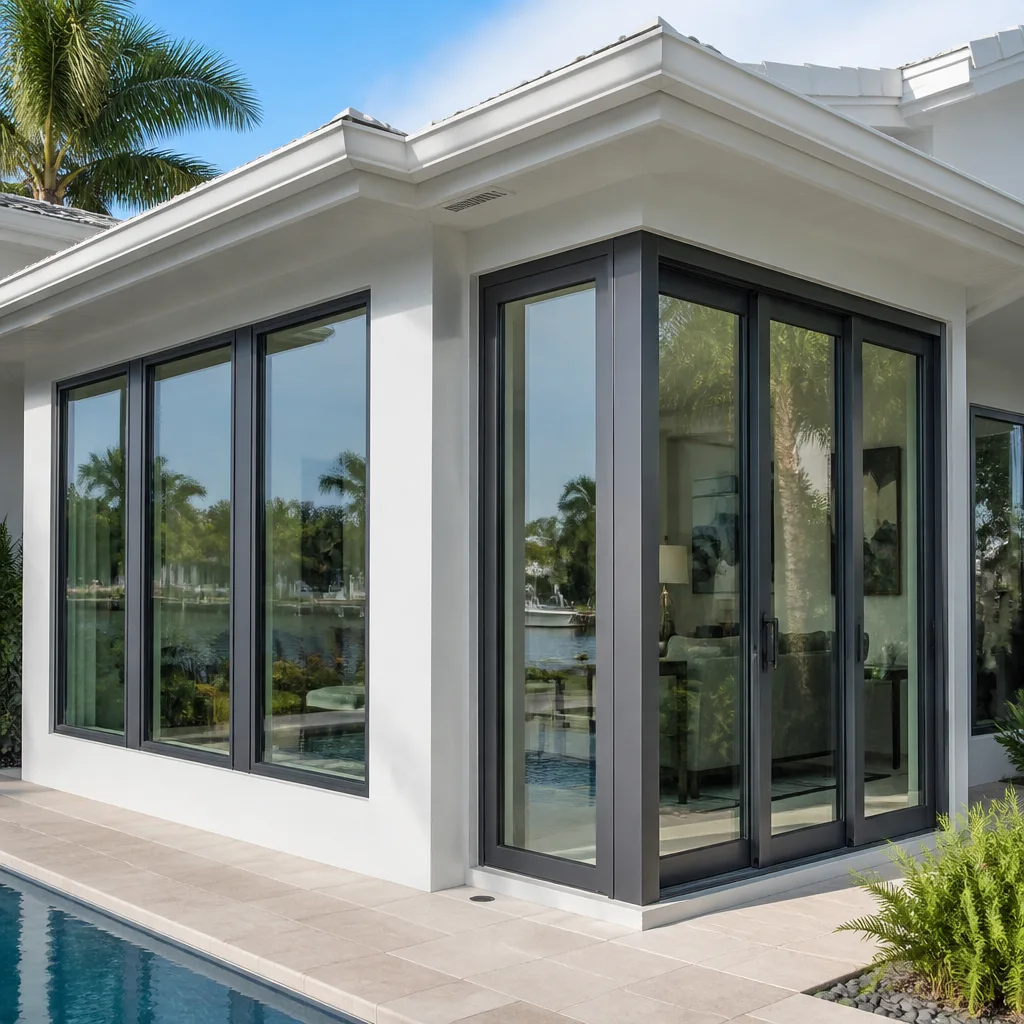
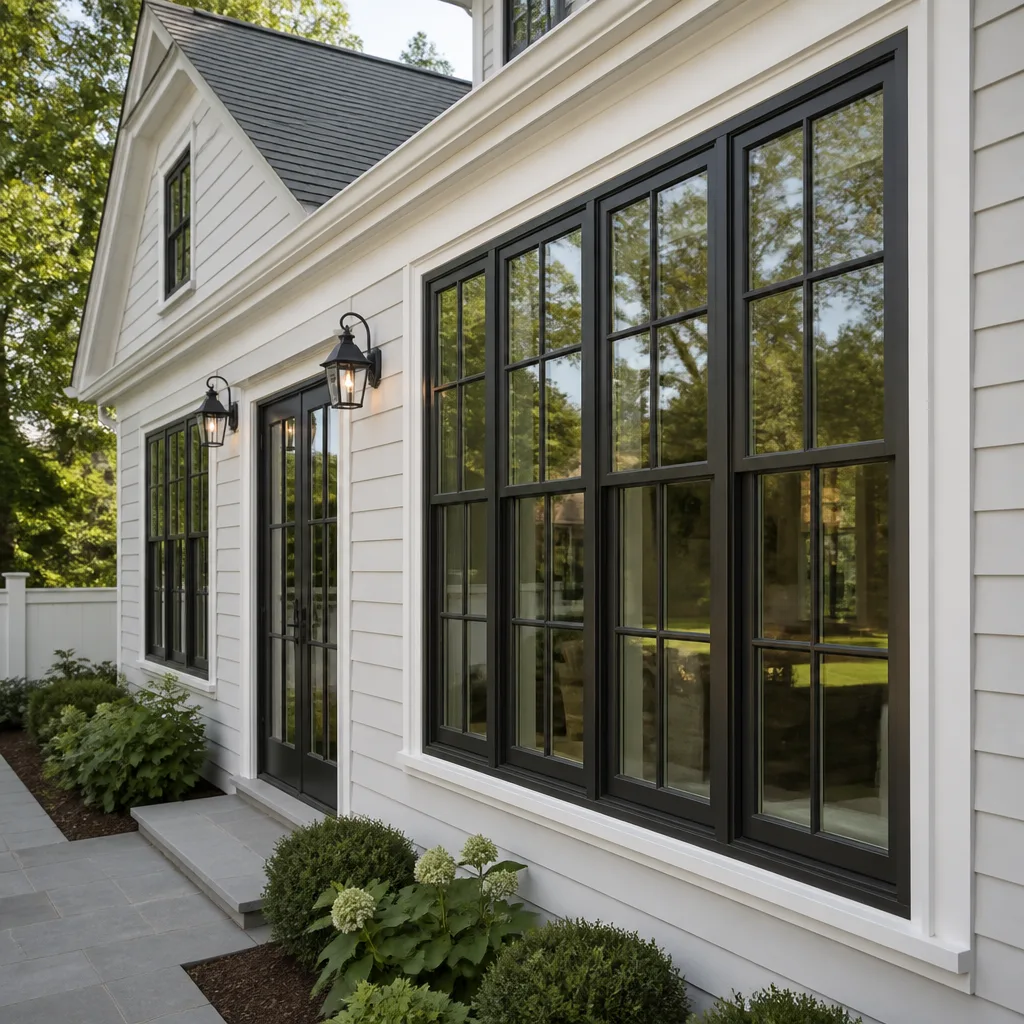
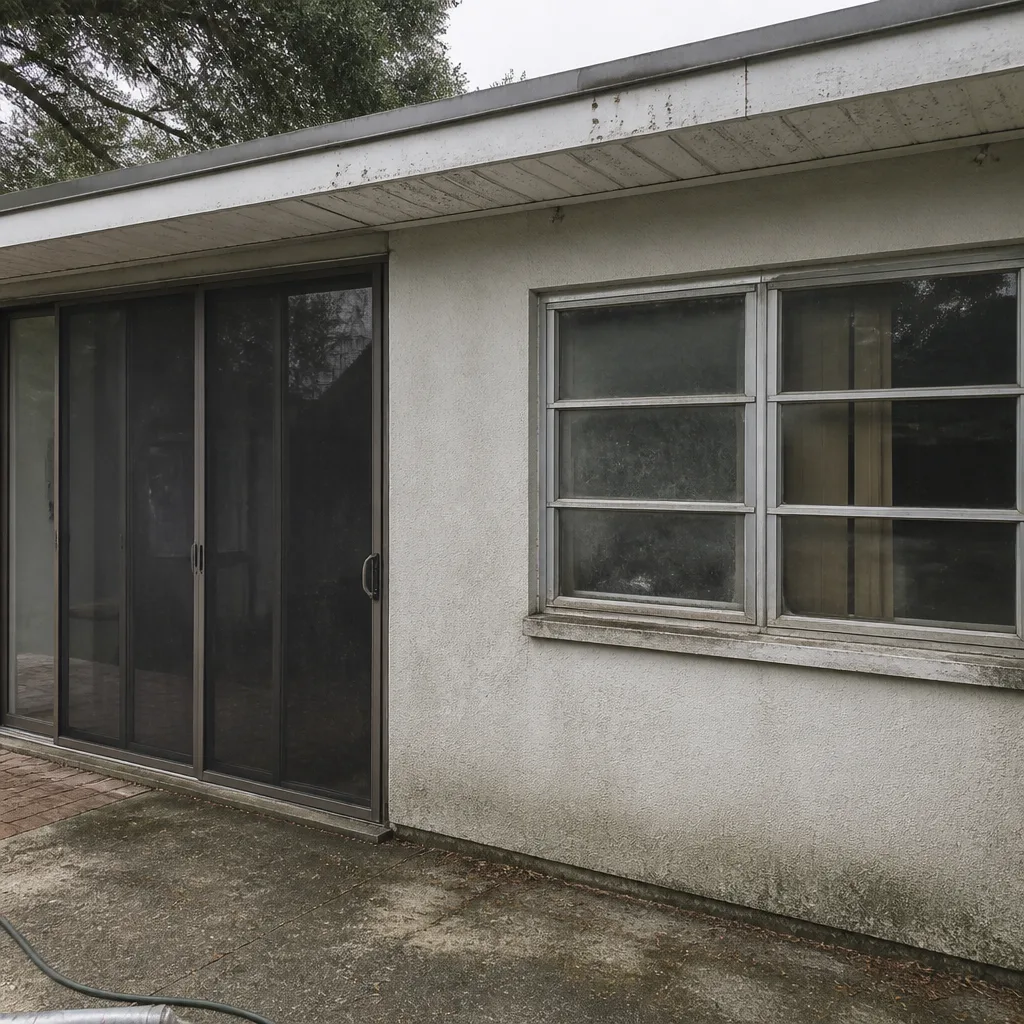 Before
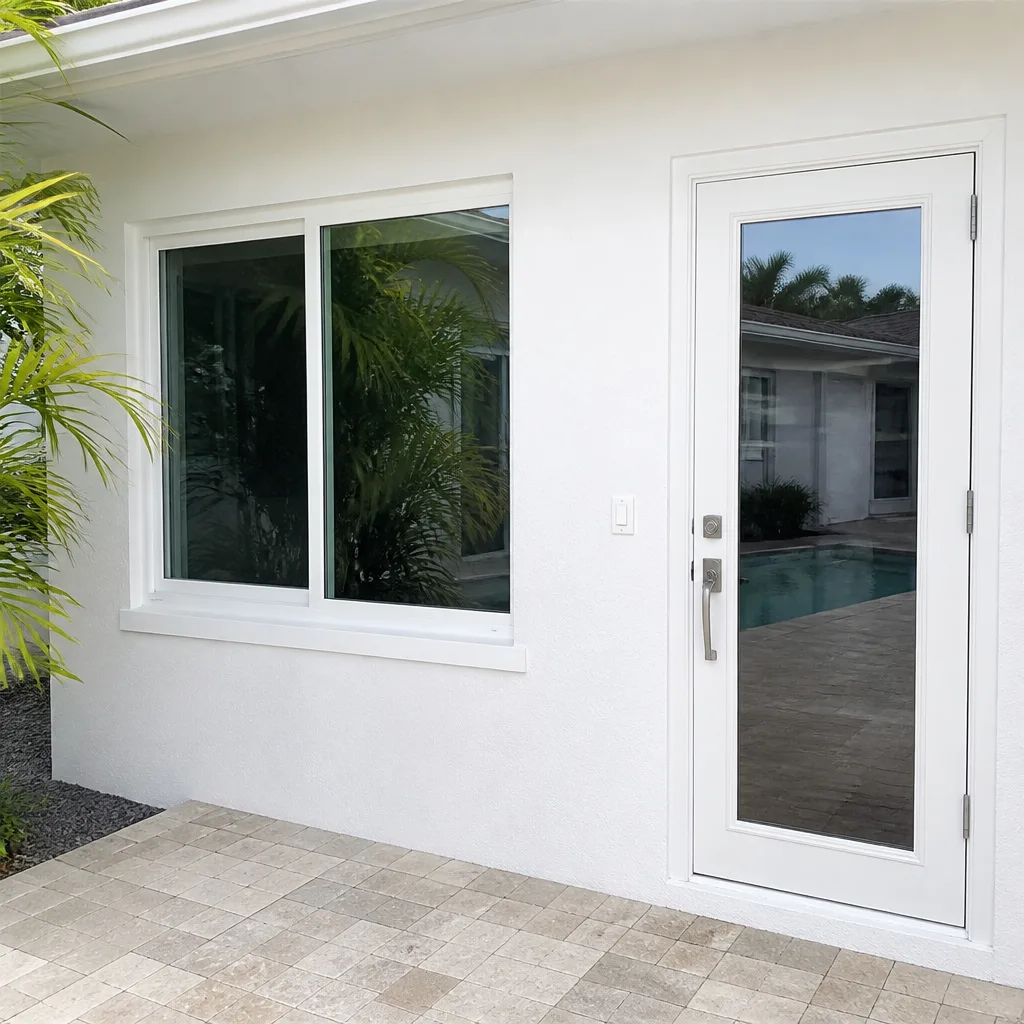 After
After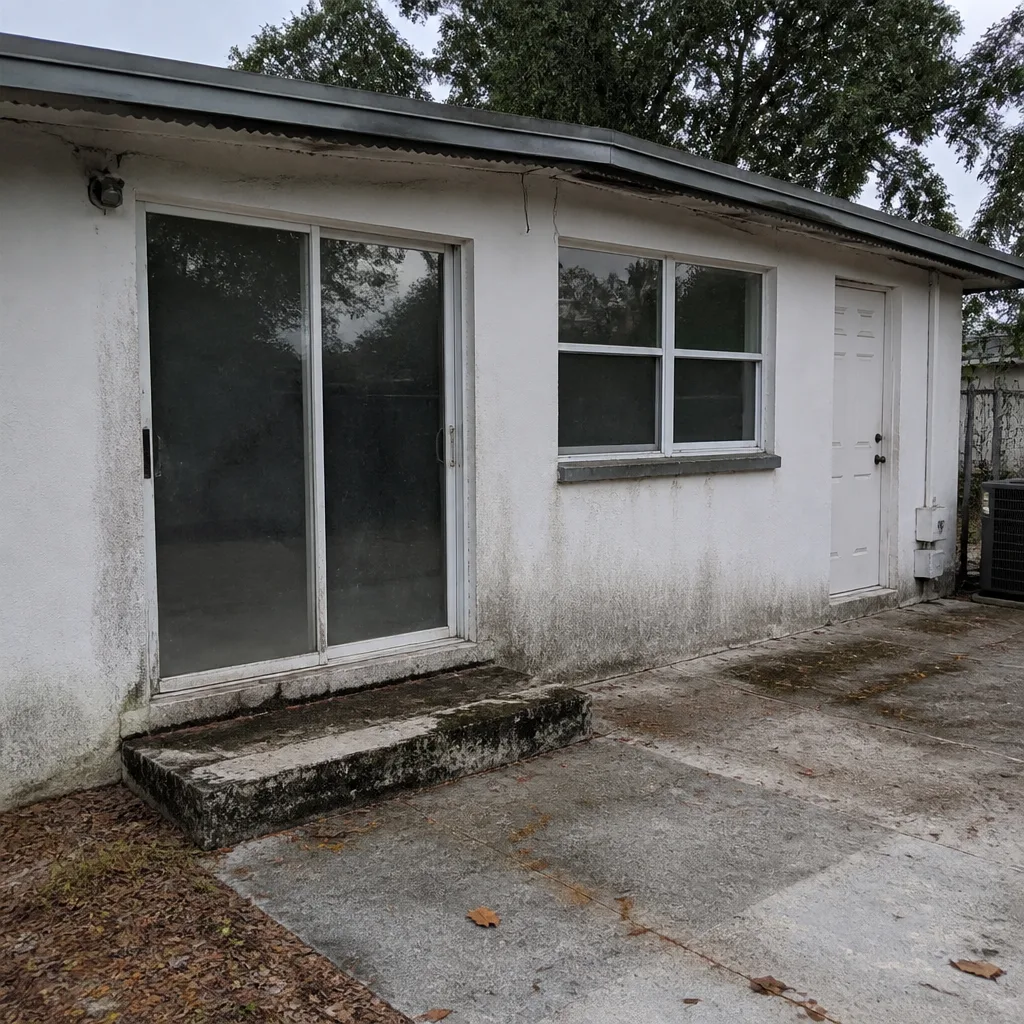 Before
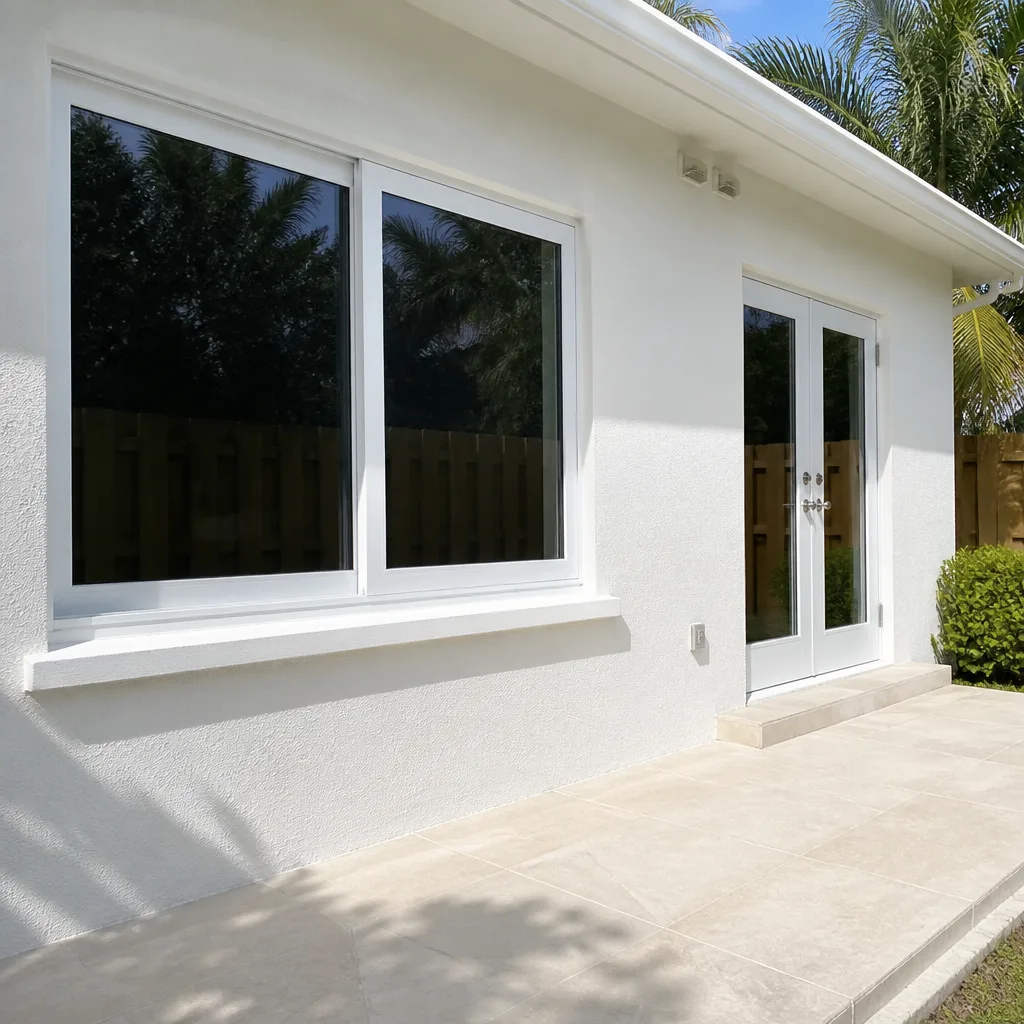 After
After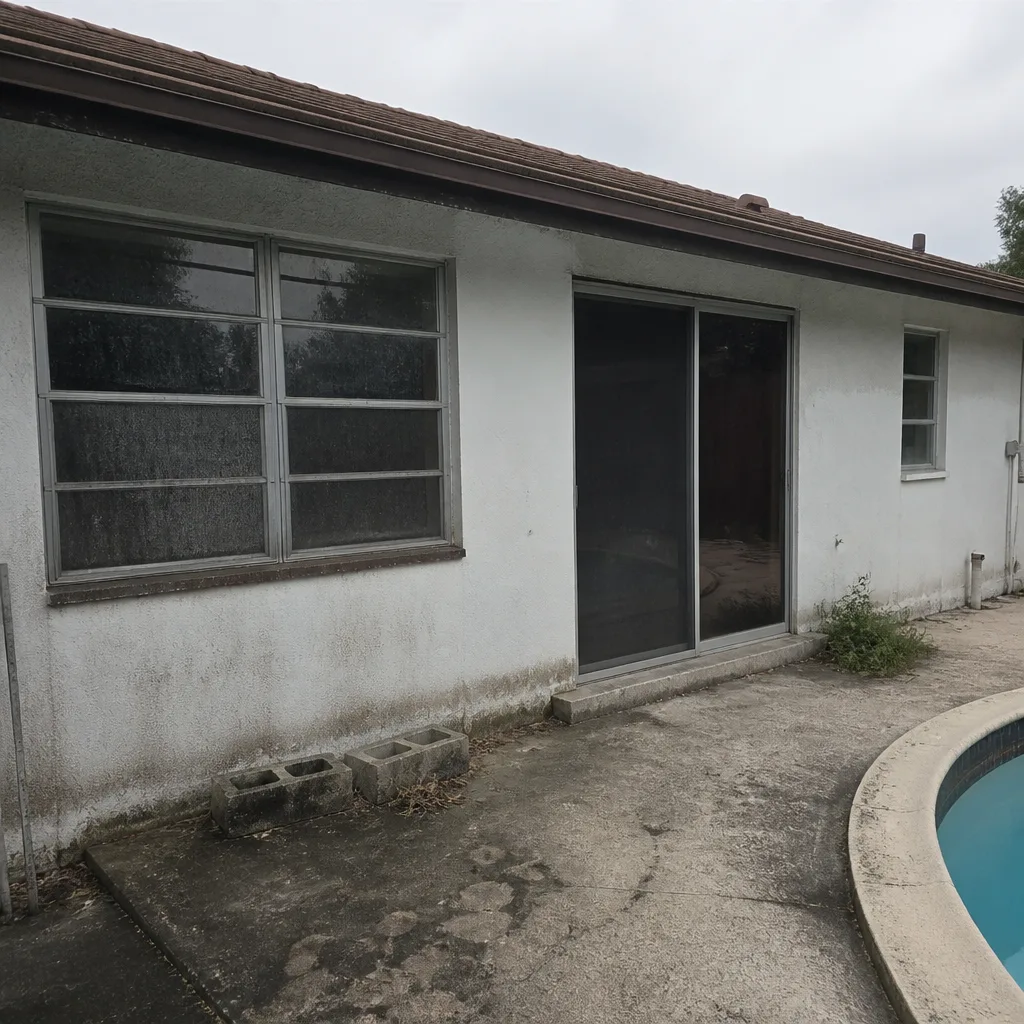 Before
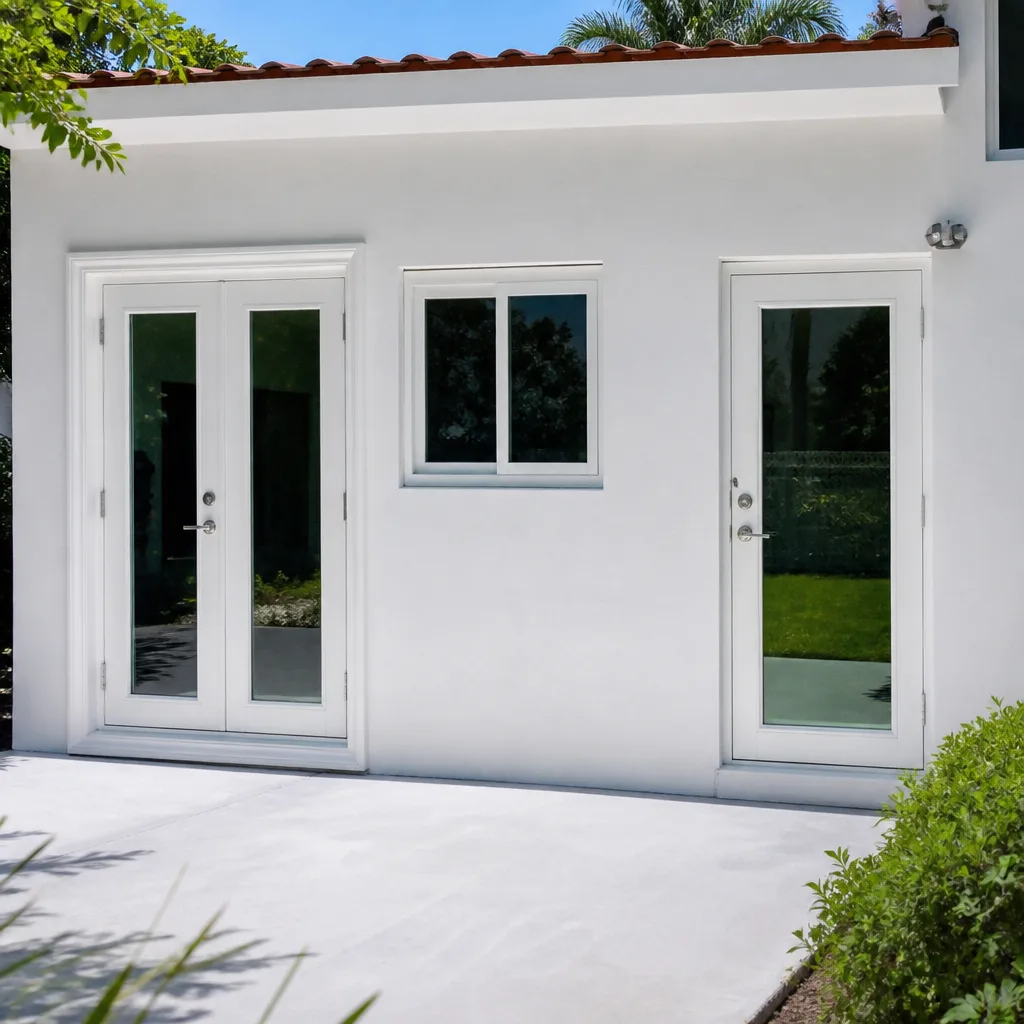 After
AfterWindow Installation Maintenance Checklist for Hollywood Homeowners
Most window manufacturers void their weatherstripping warranty if the frame isn’t cleaned of construction silicone residue within 30 days of installation - a clause buried in page 11 of the warranty booklet that neither the installer nor the salesperson mentions at close. In Hollywood’s subtropical climate, where daily humidity hovers above 75% for eight months of the year and salt air reaches inland as far as Sheridan Street, the maintenance actions you take in the first 90 days after installation determine whether both your installer’s workmanship warranty and your manufacturer’s product warranty remain enforceable. This guide is organized by those two timelines, not by season, because warranty law doesn’t follow the calendar - it follows the installation date.
Quick Answer
Hollywood homeowners should perform window installation maintenance in three phases: a 30-day silicone and debris cleanup to preserve manufacturer weatherstripping warranties, a 90-day weep hole and hardware torque verification after the first heavy rain, and annual salt-air oxidation inspections for aluminum frames. Document each step with dated photos to support future warranty claims.
Table of Contents
- Why the First 90 Days Matter More Than Annual Maintenance
- Days 1-30: The Critical Cleanup Phase
- Days 31-90: The First-Storm Verification Phase
- Month 12 and Beyond: Long-Term Preservation
- How to Test Weep Holes on Impact Windows After Hollywood’s First Heavy Rain
- Salt-Air Oxidation Inspection for Hollywood’s Aluminum Frames
- Hardware Torque Checks on Impact Door Multipoint Lock Systems
- Building a Photo-and-Date Maintenance Log for Warranty Claims
 Before
 After
AfterWhy the First 90 Days Matter More Than Annual Maintenance
A window’s installation warranty and its manufacturer’s product warranty are two separate legal documents with two separate clock-start dates. The installation warranty, typically 1-5 years, covers workmanship: level frames, proper shimming, correct sealant application, and operational hardware. The product warranty, often 10-20 years on glass and 10 years on hardware, covers defects in materials: seal failure, frame cracking, hardware fatigue. In Hollywood, where building codes require impact-rated products for most openings, these warranties frequently come from different entities - the installer and the manufacturer - and they interact in ways most homeowners don’t discover until a claim is denied.
The 30-day window is critical because construction silicone, the material used to seal the frame to the rough opening, off-gasses acetic acid as it cures. This residue, invisible in the first week, becomes a tacky film that attracts dust and degrades weatherstripping contact surfaces. CGI, CWS, and ES Windows - three of the impact-rated lines we specify for Hollywood’s HVHZ (High Velocity Hurricane Zone) requirements - all include language in their warranty documents stating that weatherstripping degradation attributable to “failure to remove installation contaminants within the initial curing period” is not covered. The curing period is defined as 30 days from installation.
The 90-day window matters because it captures the first significant weather event. In Hollywood, that first event is rarely a hurricane; more often it’s a June or July afternoon thunderstorm that drops 2-3 inches in 90 minutes, testing drainage paths that may have been obstructed by construction debris or improper screen installation. By month 12, the frame has settled into its final position against the structure, and any seasonal movement in Hollywood’s expansive clay soils - common in neighborhoods west of I-95 like Emerald Hills and Hollywood Hills - will have manifested as minor caulking gaps or hardware misalignment.
We’ve completed 18,000+ windows and doors across Hollywood and South Florida since 2012. The warranty claims we’ve seen denied most often share one characteristic: the homeowner had no dated documentation of post-installation maintenance. The Haven Standard’s Evidence clause exists precisely because we know what claims departments require.
Days 1-30: The Critical Cleanup Phase
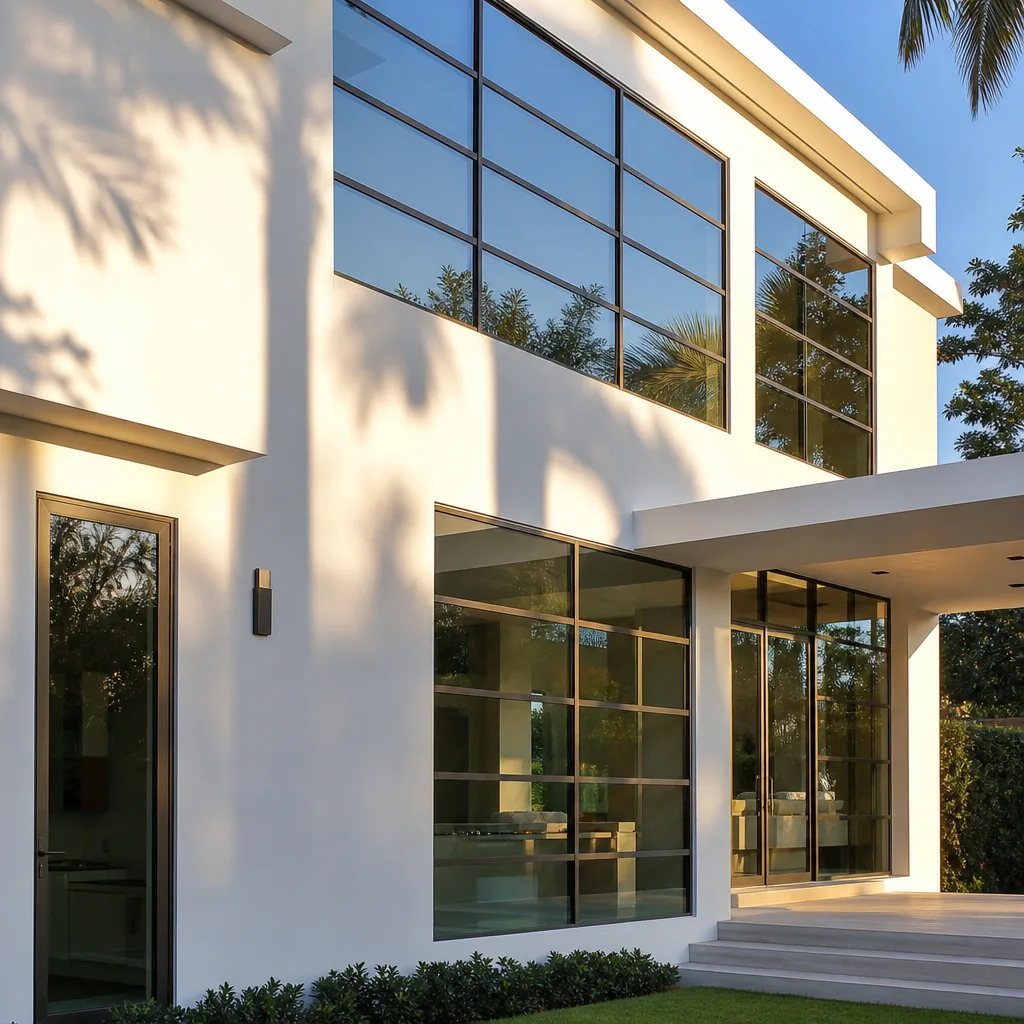
This phase preserves your manufacturer’s weatherstripping and frame finish warranties. The work is light but time-sensitive. Skip it, and you’re relying on the installer’s word against the manufacturer’s written exclusion.
Week 1-2: Initial Curing Observation
- Do not clean the interior or exterior frame surfaces with any solvent, alcohol, or ammonia-based product. The silicone is still off-gassing and the frame finish is curing to its final hardness.
- Operate each window and door twice: open fully, close fully, lock. Note any binding, scraping, or resistance in a dated log. Binding in week one often indicates improper shimming that will worsen as the structure settles.
- Check for visible gaps between the frame and the wall on both interior and exterior. In Hollywood, where stucco exteriors are common in neighborhoods like Lawn Acres and Hollywood Lakes, a gap wider than 3/16 inch at any point suggests the frame was not properly back-sealed.
Week 3-4: Silicone Residue Removal
- Mix a solution of warm water and mild dish soap - no citrus, no vinegar, no solvents. Citrus oils and acetic acid (vinegar) will degrade the butyl rubber weatherstripping used by most impact-rated manufacturers.
- Using a soft microfiber cloth, wipe all frame surfaces, paying attention to the weatherstripping contact areas where the sash meets the frame. These are the surfaces that compress to create the air and water seal.
- Remove any visible silicone smears on the glass with a plastic razor blade. Metal blades scratch low-e coatings, which are present on most energy-efficient installations in Hollywood to meet Florida Energy Code.
- Dry thoroughly with a clean cloth. Standing water in the sill track promotes mold growth in high-humidity conditions.
- Photograph each opening from interior and exterior angles. Include the date stamp or write the date on paper visible in the frame.
The window installation process in Hollywood should leave you with a measured survey document that identifies each opening by room and product specification. Cross-reference your photos to this document. If your installer did not provide a written survey you keep, that is a deviation from Haven Clause 1: Have it in writing.
Days 31-90: The First-Storm Verification Phase
By day 31, the silicone has fully cured and the frame has undergone its initial thermal cycling. In Hollywood, this means the frame has experienced at least 20-30 days of 85°F+ temperatures with 70%+ humidity, and possibly its first tropical downpour. This phase verifies that drainage works, hardware remains properly torqued, and the installation seal remains continuous.
The Post-Storm Inspection Sequence
- Wait until 24 hours after rainfall ends. Water trapped in the sill track or weep chamber needs time to drain completely.
- Open each window and inspect the sill track for standing water. A properly sloped sill drains to the exterior weep holes within 4 hours in dry conditions, 24 hours in humid conditions. Water remaining beyond this indicates blocked drainage.
- Inspect the interior drywall or trim at the head and jambs for discoloration. Staining at the top of the frame suggests improper flashing above the opening - a workmanship issue, not a product defect.
- Operate all hardware. Locks should engage with consistent pressure. If a multipoint lock on a sliding door requires noticeably more force than at installation, the frame may have racked (twisted) due to settlement or improper shimming.
- Check exterior sealant beads for continuity. In Hollywood’s UV exposure, a properly applied sealant bead retains its elasticity. Cracking, powdering, or separation from the frame indicates either inferior sealant or improper surface preparation.
Document everything with dated photos. If you discover an issue, the 90-day window is typically within your installer’s workmanship warranty period. In our experience at Sightline Windows & Doors Hollywood, issues reported with photo evidence in this window are resolved without dispute. Issues reported at month 11, with no documentation, frequently become contested claims.
Month 12 and Beyond: Long-Term Preservation
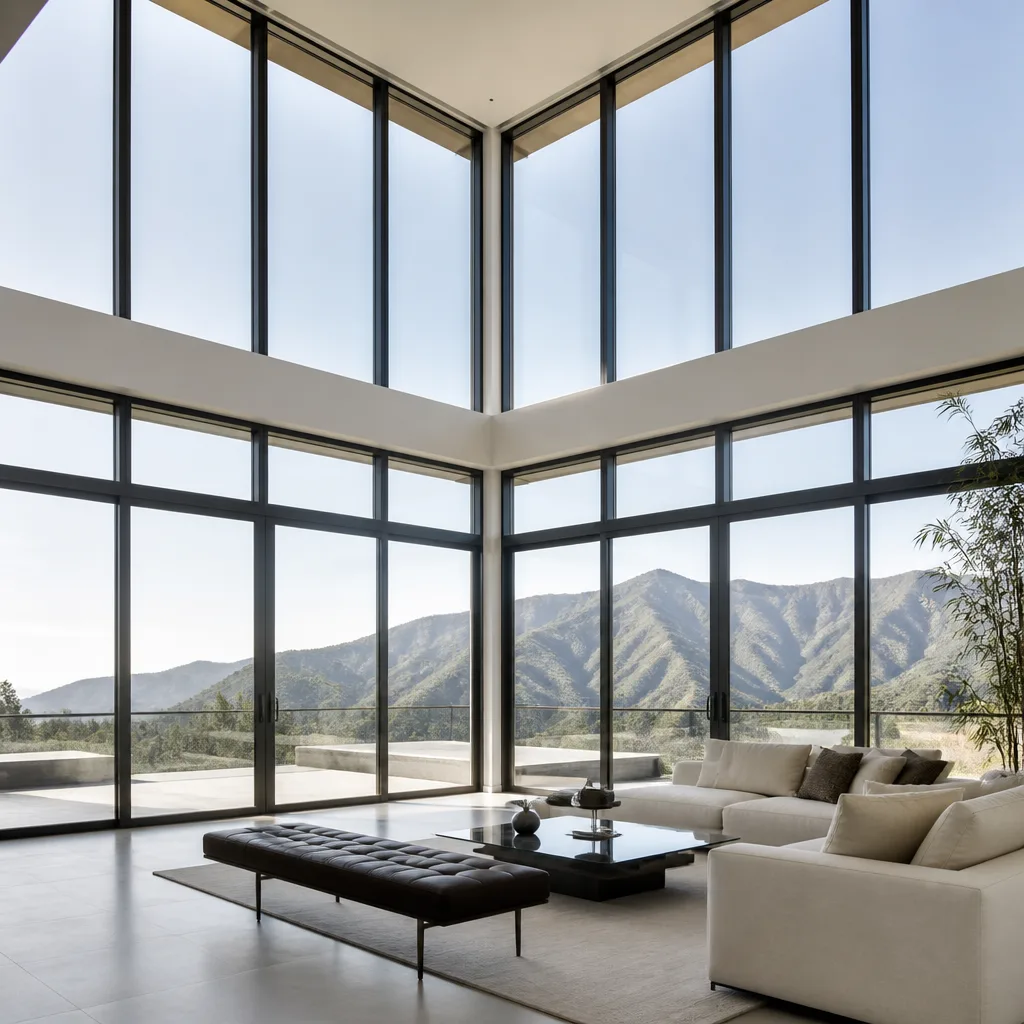
After the first year, maintenance shifts from warranty preservation to service-life extension. Hollywood’s specific environmental stressors - salt air, UV exposure, tropical rainfall, and occasional wind-borne debris - demand a different protocol than inland climates.
Annual Inspection Points
- Frame finish integrity: On aluminum frames, look for chalking (a white, powdery residue that wipes off with a finger) versus corrosion (pitting or bubbling that does not wipe off). Chalking is cosmetic; corrosion is structural. We’ll address the distinction in detail below.
- Glazing seal inspection: The primary seal between the glass and the frame, and the secondary seal visible at the glass edge, should remain flexible and continuous. Any hardening, cracking, or separation indicates seal degradation that will eventually lead to insulating glass unit (IGU) failure - the fogging between panes that is not repairable.
- Screen frame condition: In Hollywood’s coastal environment, screen frames corrode faster than main frames because they’re typically 6063-T5 aluminum with thinner wall sections. Check for frame sagging that allows insects past the screen edge.
- Track and roller condition (sliding products): Debris accumulation in the sill track accelerates roller wear. Vacuum the track, then wipe with a damp cloth. Never lubricate with oil - it attracts sand and salt particles that grind rollers flat.
The window replacement projects we complete in Hollywood frequently involve products that reached end of service life not because the glass failed, but because maintenance was deferred until hardware or drainage failure caused secondary damage to the wall assembly. The cost of annual inspection is negligible against the cost of water-damaged framing.
How to Test Weep Holes on Impact Windows After Hollywood’s First Heavy Rain
Weep holes are the small drainage openings at the bottom of the exterior frame that allow water entering the sill track to exit to the outside. On impact-rated windows, these are often protected by baffles or covers that prevent wind-driven rain from entering while permitting drainage. In Hollywood’s building code environment, where HVHZ requirements mandate specific water-resistance testing, the weep system is engineered for extreme events - but only if it remains unobstructed.
The Water-Test Method
- Close and lock the window. The weep system is designed to function with the window in the closed position, as it would be during a storm.
- Pour one cup of water slowly into the sill track from the interior side. Use a measuring cup - precision matters for documentation.
- Observe the exterior weep holes. Water should appear at the exterior within 30 seconds. If no water appears, the weep holes are blocked.
- If water appears but drains slowly (more than 60 seconds to empty the track), partial obstruction is present - typically salt or pollen buildup in the baffle.
- Photograph the test with timestamp. Include the measuring cup in the frame to document the volume used.
For baffle-style weep covers, which are common on CWS and ES Windows impact products, obstruction often occurs behind the baffle where visual inspection is impossible. The water test is the only verification method. Do not probe weep holes with wire or tools - this damages the baffle and voids the water-resistance warranty.
If your test reveals blocked drainage, contact your installer. This is a workmanship or product defect, not maintenance, and should be documented before the workmanship warranty expires. At Sightline’s door installations across Hollywood, we include weep function verification in our 90-day follow-up protocol - part of Haven Clause 4, Evidence on every job.
Salt-Air Oxidation Inspection for Hollywood’s Aluminum Frames
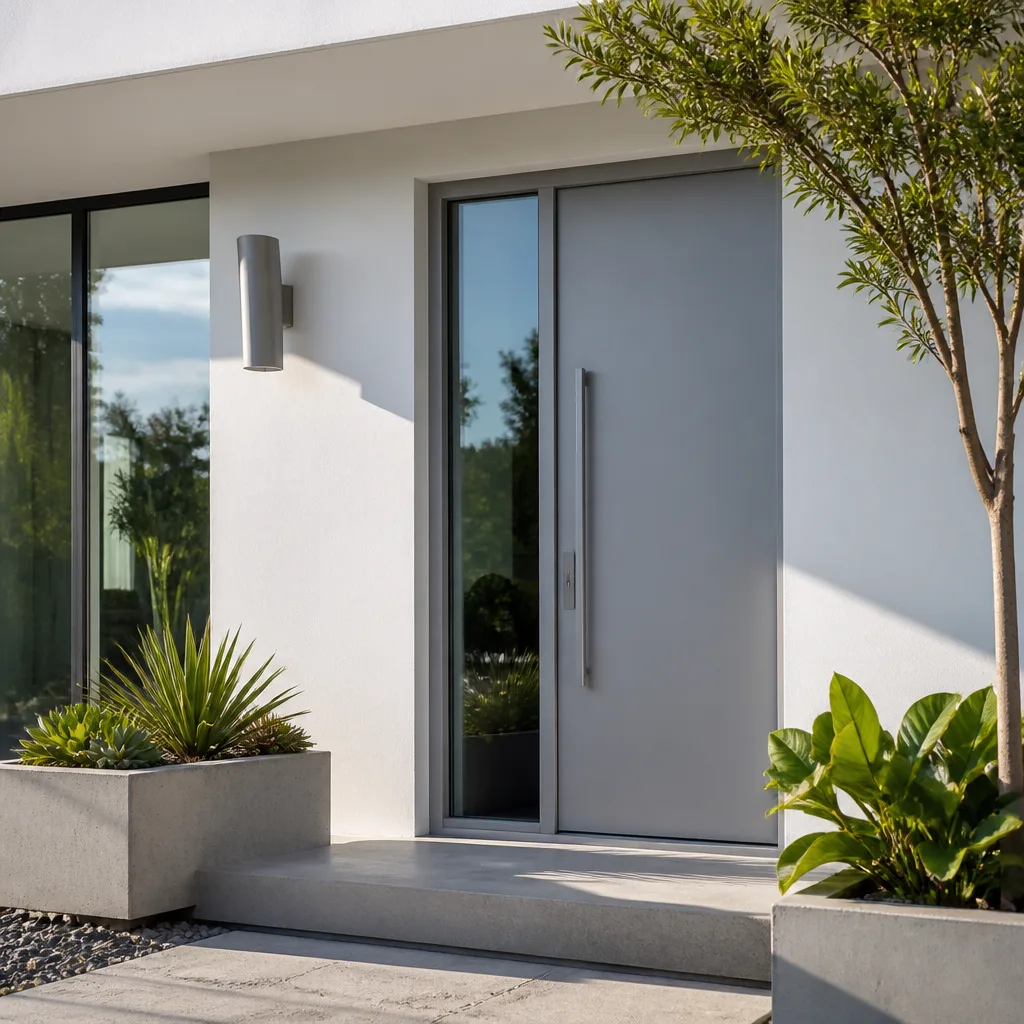
Hollywood’s proximity to the Atlantic - roughly 2 miles at its eastern edge, with prevailing easterly winds carrying salt spray inland - creates an accelerated corrosion environment for aluminum window frames. The distinction between cosmetic oxidation and structural corrosion determines whether your action preserves the frame or accelerates its failure.
Identifying the Two Conditions
| Characteristic | Cosmetic Chalking (White Bloom) | Structural Corrosion |
|---|---|---|
| Appearance | Uniform white film, wipes off with finger | Pitting, bubbling, or flaking; does not wipe off |
| Location | Sun-exposed surfaces, typically south and west elevations | Lower frame members, joints, drainage channels |
| Cause | UV degradation of anodized or painted finish | Galvanic reaction between aluminum and dissimilar metals, or salt penetration at finish breach |
| Correct Action | Clean with mild detergent, apply automotive-grade polymer sealant annually | Professional assessment; frame replacement likely required |
| Incorrect Action | Abrasive cleaning, steel wool, or acidic products | Painting over without addressing underlying metal loss |
The cleaning products that fix chalking worsen corrosion. Abrasive pads or acidic cleaners (including “miracle” rust removers containing phosphoric acid) remove the remaining protective finish around a corrosion site, expanding the damage. For cosmetic chalking on frames from ECO Window Systems or similar anodized products, we specify a wash with pH-neutral automotive shampoo followed by a polymer sealant application. This is the same protocol used for marine aluminum in South Florida’s yacht service industry.
In Hollywood neighborhoods closest to the Intracoastal or ocean - Hollywood Beach, Hollywood Lakes south of Sheridan Street - inspect quarterly rather than annually. The salt load in these microclimates exceeds the design assumptions of most residential window finishes.
Hardware Torque Checks on Impact Door Multipoint Lock Systems
Multipoint locks on impact-rated sliding and French doors engage at multiple points along the door height - typically three to five points - to distribute wind load across the frame. The torque specification for the fasteners securing these lock mechanisms is specified by the hardware manufacturer, not the door manufacturer, and varies by system: common values range from 45 to 85 inch-pounds for face-mounted screws, and 10 to 15 foot-pounds for mortise lock bodies.
Most homeowners never locate this specification because it’s in the hardware supplement document, not the main installation manual. For products we install from PGT, CGI, and Therma-Tru, the specification is printed on a label inside the lock edge of the door or in the packet provided at installation.
Why Torque Matters in Hollywood
Hollywood’s humidity causes thermal expansion cycles in aluminum and vinyl frames that loosen fasteners over time. A multipoint lock with one loose engagement point creates uneven pressure distribution. During a storm, this concentrates wind load on the remaining engaged points, potentially exceeding their design capacity. The failure mode is not the lock breaking - it’s the frame deforming around the lock pocket, which is not repairable.
The Verification Method
- Locate the torque specification in your product documentation. If you cannot find it, contact the manufacturer’s technical services department with your product serial number.
- Using a torque screwdriver set to the specified value, test one fastener per lock point. Do not over-torque - this strips the fastener or cracks the frame pocket.
- If any fastener turns before reaching the specified torque, it was loose. Remove, apply thread-locking compound rated for the frame material, and reinstall to specification.
- Operate the lock through a full cycle after each adjustment. The handle should rotate with consistent resistance and the deadbolt or hooks should engage smoothly.
This is not a maintenance task for the typical homeowner. The tools are specialized, and the consequence of error is frame damage. We include torque verification in our annual service visits for door installations in Hollywood, documented with torque wrench readout photos under Haven Clause 4.
Building a Photo-and-Date Maintenance Log for Warranty Claims
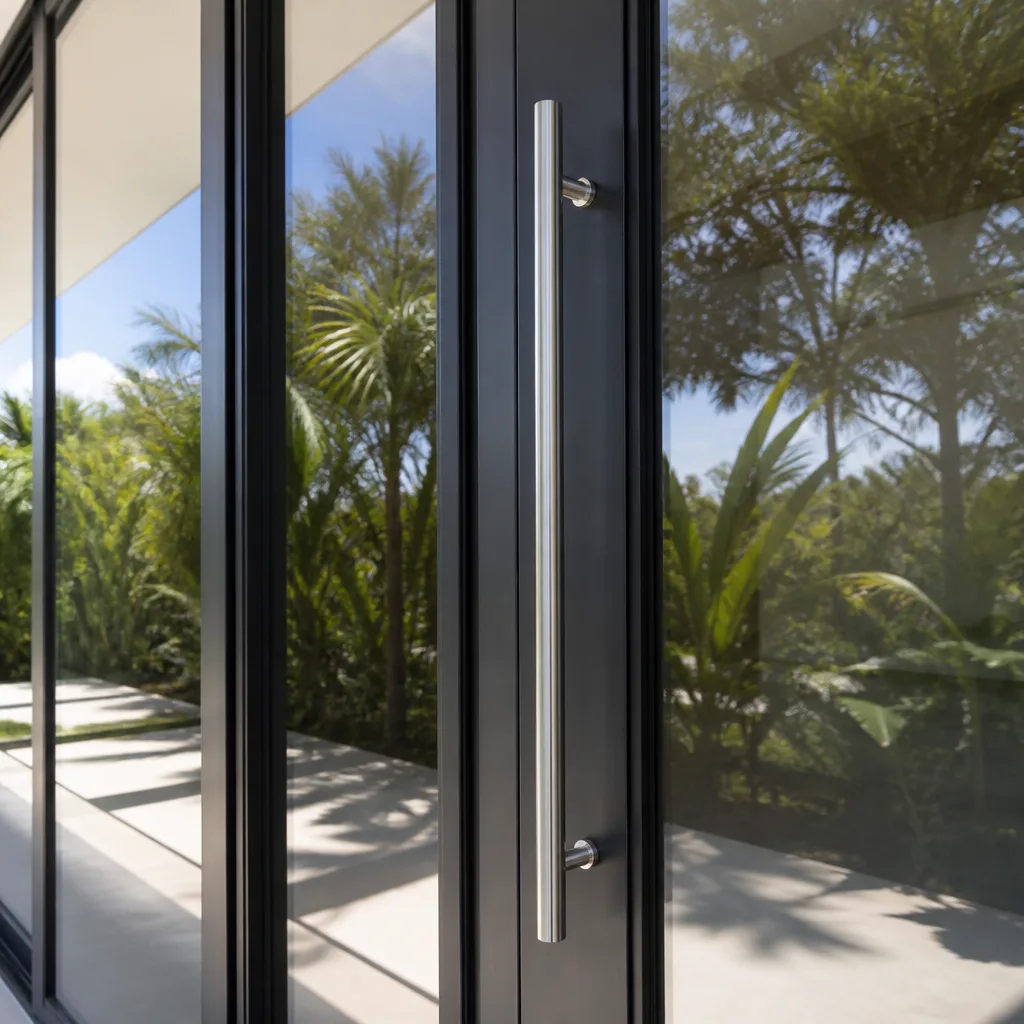
Warranty claims in years two through ten succeed or fail on documentation. Manufacturer claims departments are not staffed by investigators; they are staffed by reviewers who apply written criteria to submitted evidence. Your maintenance log is your evidence.
Required Elements
- Property identification: Address, installation date, installer name, and product serial numbers for each opening. Serial numbers are typically on a label in the frame head or on the glass edge.
- Photo documentation: Each photo must include a date stamp (camera metadata is acceptable) and show the condition being documented. Close-ups without context are rejected; include enough of the surrounding frame to identify the location.
- Maintenance action log: Date, action taken, products used, and result. “Cleaned weatherstripping contact surfaces with mild soap solution, inspected for damage, found none” is sufficient.
- Weather event documentation: For any storm-related inspection, note the storm identifier (NHC name or date), rainfall amount if known, and any observed water intrusion or operational change.
Storage Protocol
Store digital copies in three locations: local device, cloud service, and physical print of the log summary with key photos. Email yourself a copy after each maintenance event - the email timestamp becomes additional evidence. If you submit a warranty claim, include the complete log, not selected pages. Claims reviewers who detect selective documentation assume concealment.
The 365-Day Done Right Promise under the Haven Standard includes documentation support: if you purchased from Sightline Windows & Doors Hollywood, we maintain our own photo record of your installation and can provide duplicate documentation if your records are lost. This is not a courtesy; it is Haven Clause 4, applied.
Common Mistakes to Avoid
- Using pressure washers on window frames: The high-pressure stream forces water past weatherstripping and into the sill track, and can dislodge exterior sealant beads. In Hollywood’s humid climate, this trapped moisture promotes mold in wall cavities.
- Applying silicone spray to weatherstripping: Silicone spray attracts dust and creates an abrasive paste that wears rubber weatherstripping. Use only manufacturer-specified products, typically a dry PTFE-based lubricant if any is recommended.
- Ignoring the 30-day silicone cleanup: We’ve seen this error more than any other. The warranty exclusion is real, and claims departments enforce it without exception.
- Probing weep holes with metal tools: Wire hangers, screwdrivers, and dental picks damage the internal baffles on impact-rated products. Once the baffle is breached, wind-driven rain enters the track - and the water-resistance warranty is void.
- Assuming all aluminum frames are maintained identically: Anodized finishes (common on CWS and ES Windows products) require different care than painted finishes (common on ECO Window Systems). Using the wrong product strips the finish.
- Deferring maintenance until a problem is visible: By the time you see water staining on drywall, the wall assembly has been wet for months. In Hollywood’s climate, that means mold remediation alongside window repair.
When to Call a Professional
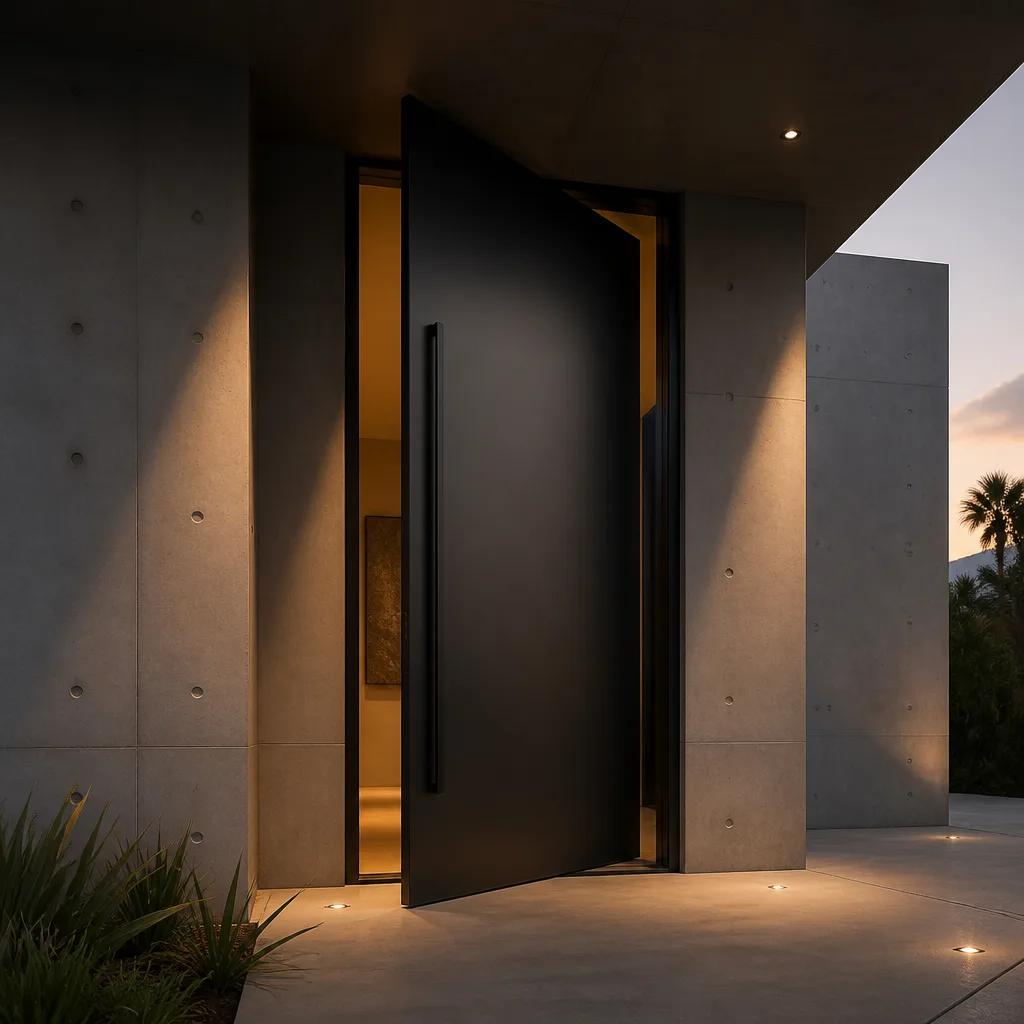
Call a licensed window and door contractor when you observe frame racking (twisted or out-of-square openings), IGU fogging between glass panes, corrosion pitting on aluminum, or water intrusion that recurs after cleaning weep holes. These conditions indicate installation defects, product failure, or structural movement that requires professional assessment. Do not attempt to adjust multipoint lock mechanisms or reseal frame-to-wall joints yourself - improper work voids warranties and can compromise impact resistance.
Sightline Windows & Doors Hollywood offers free estimates in Hollywood - call (754) 714-7309. We also provide free second opinions on any written estimate from another contractor, per Haven Clause 1: the written price before any work starts is the standard, not a promotion.
Frequently Asked Questions
Professional window maintenance in Hollywood typically ranges from $150-$350 for a single-family home with 10-15 openings, covering inspection, weep hole verification, hardware operation check, and photo documentation. This is preventive maintenance, not repair work. Call (754) 714-7309 for an exact quote - estimates are free.
Yes, if you document it properly. Manufacturer warranties require “reasonable maintenance” but do not mandate professional service for routine cleaning and inspection. The critical requirement is dated photo evidence of the maintenance actions taken. Use the log protocol described above.
Inspect quarterly if you’re within 2 miles of the ocean or Intracoastal Waterway - this includes Hollywood Beach, Hollywood Lakes, and Emerald Hills. Inspect twice annually if you’re farther inland, such as west of I-95. The salt-air gradient means frame oxidation rates double approximately every mile of coastal proximity.
Permits are required for all window and door replacements in Hollywood under the Florida Building Code, including impact-rated product verification and installation inspection. At Sightline Windows & Doors Hollywood, we pull permits and schedule inspections as standard practice on every job - included in our scope, not added as a line item. The permit documentation becomes part of your property record.
Use only mild dish soap and water, or a commercial glass cleaner explicitly labeled “ammonia-free.” Ammonia degrades the metallic low-e coating over time, reducing energy performance. Never use abrasive pads or razor blades on low-e surfaces - the coating scratches permanently. For construction residue on new installations, use a plastic razor blade on the glass only, never on the frame.
Impact-rated aluminum windows with proper maintenance typically achieve 25-30 years of service life in Hollywood’s coastal environment. Vinyl frames in non-impact applications may reach 20-25 years but degrade faster in UV exposure. The most common premature failure we observe is IGU seal failure at 12-18 years, caused not by maintenance but by the thermal stress of daily expansion and contraction in South Florida’s climate.
The Bottom Line
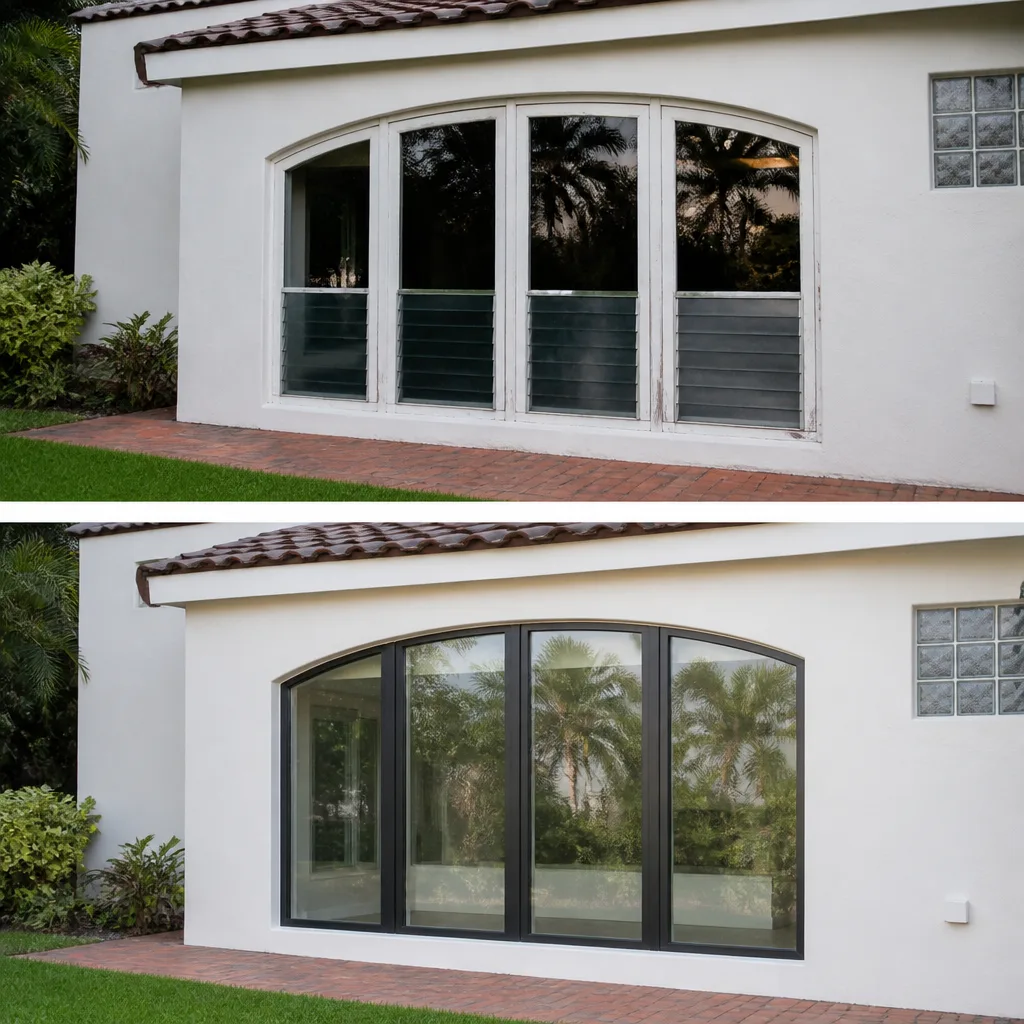
Window maintenance in Hollywood is not a seasonal chore - it’s a warranty preservation protocol with specific deadlines. For Windows & Doors Cost Breakdown: The Hollywood Homeowner’s Reference for 2026, see our dedicated guide. Clean construction residue within 30 days. Verify weep function after the first heavy rain. Inspect for salt-air oxidation quarterly if you’re coastal. Document everything with dated photos. The homeowners who avoid warranty disputes are not the ones who spend the most on maintenance; they’re the ones who perform the right tasks at the right times and can prove it.
The Haven Standard was built on this principle: Have it in writing, Arrive on schedule, Verified crews, Evidence on every job, No surprises. Your maintenance log extends that standard into the years after installation.
Written by Sonia Raman, Owner at Sightline Windows & Doors Hollywood, serving Hollywood since 2012.