
Last updated September 24, 2026
Free in-home measure and quote - PGT, CGI and CWS impact lines compared on your actual openings, style by style
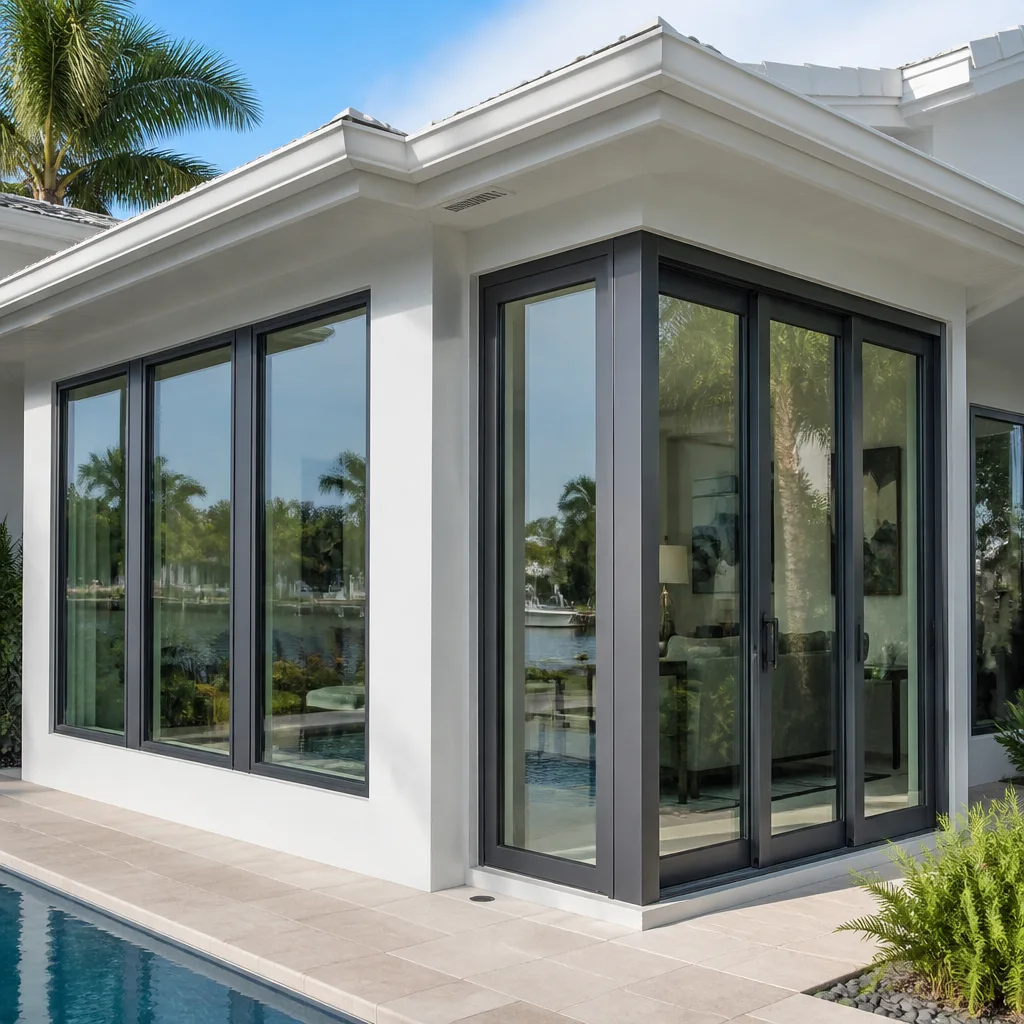
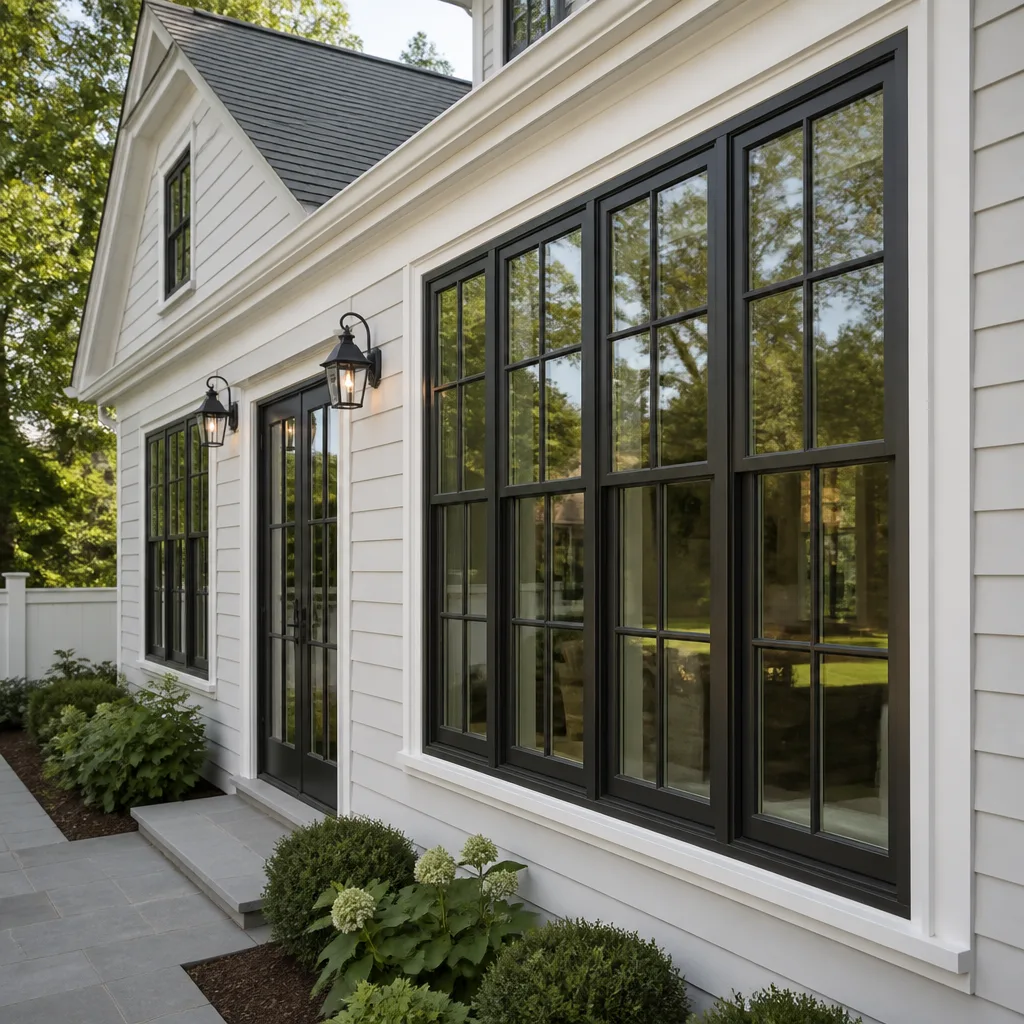
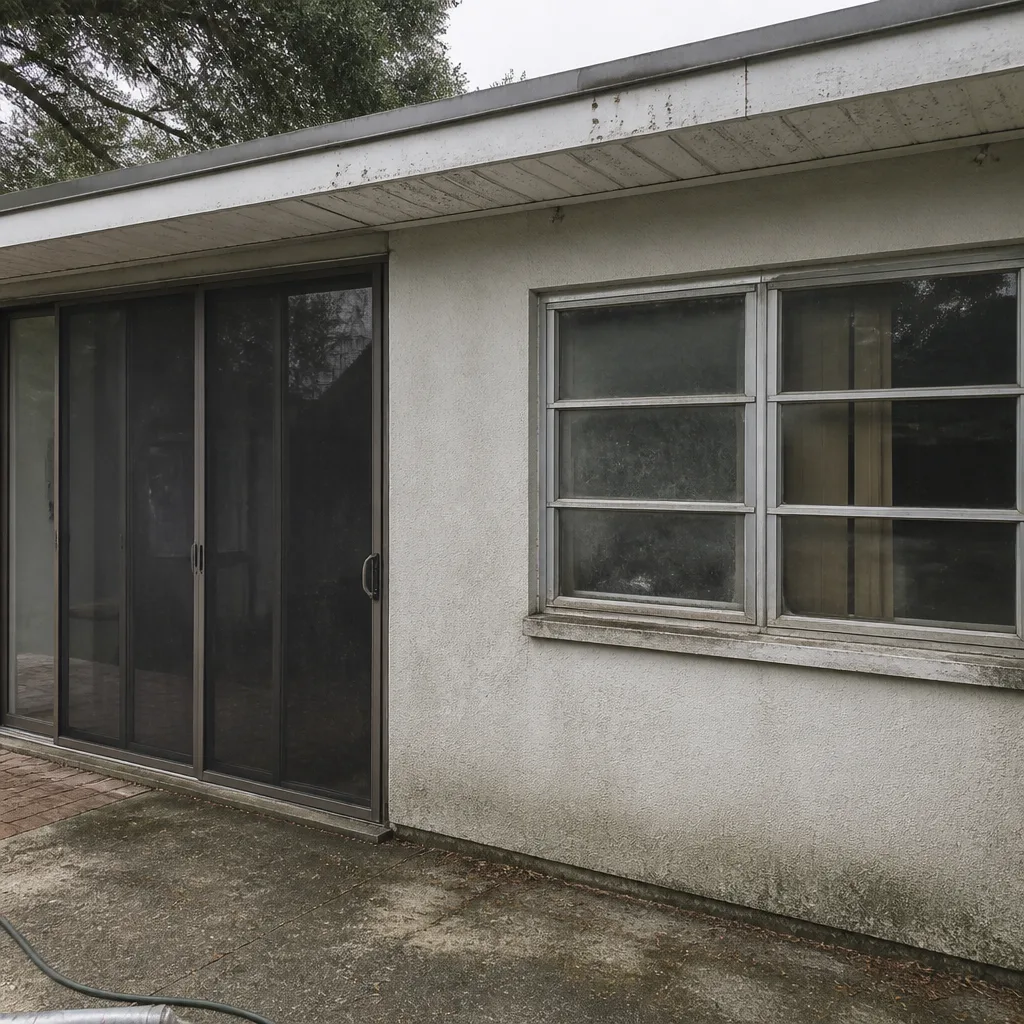 Before
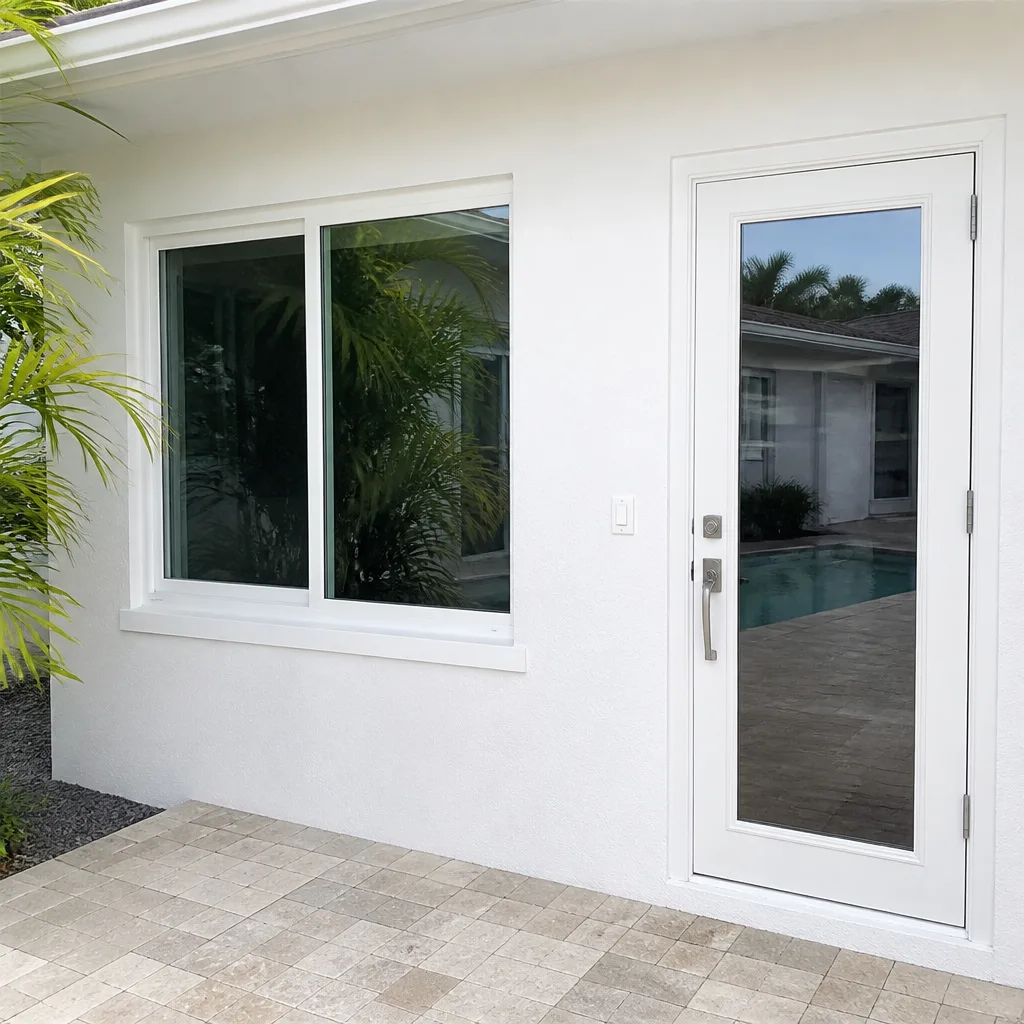 After
After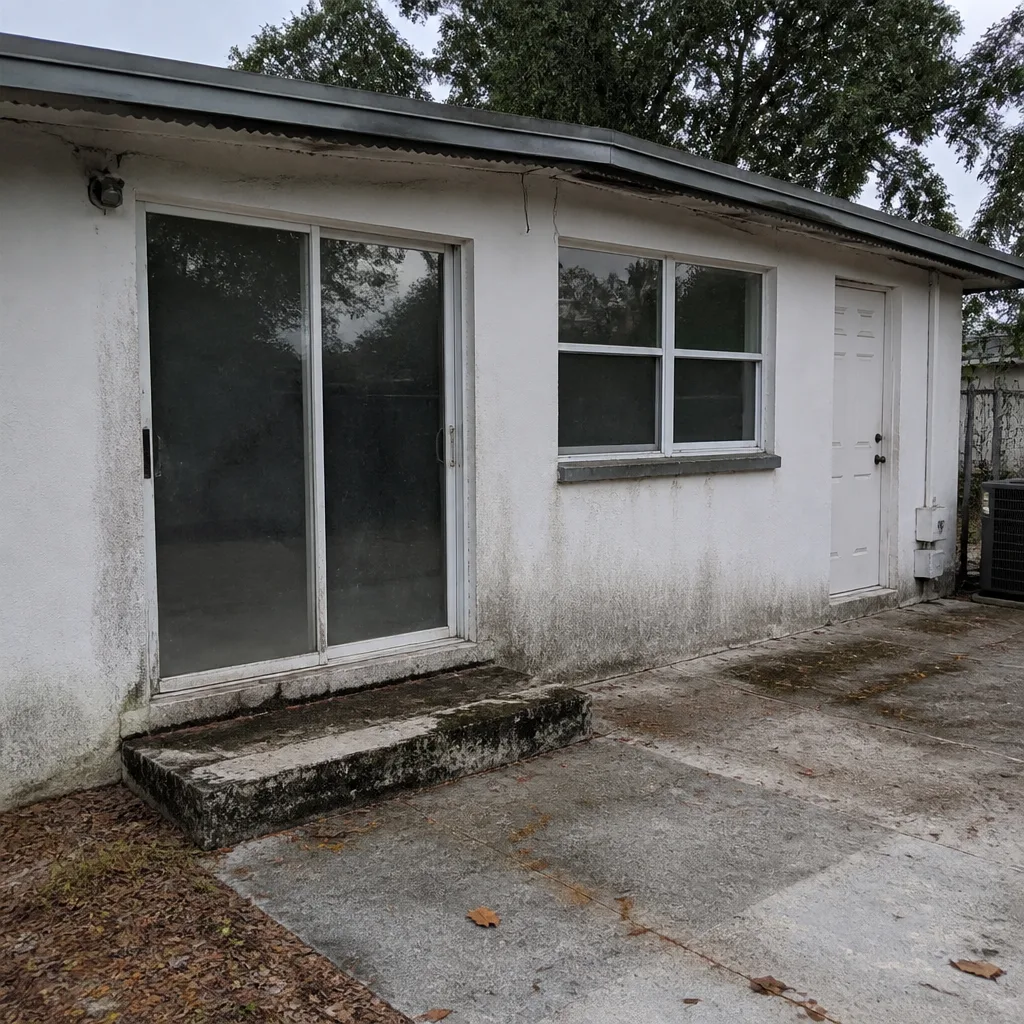 Before
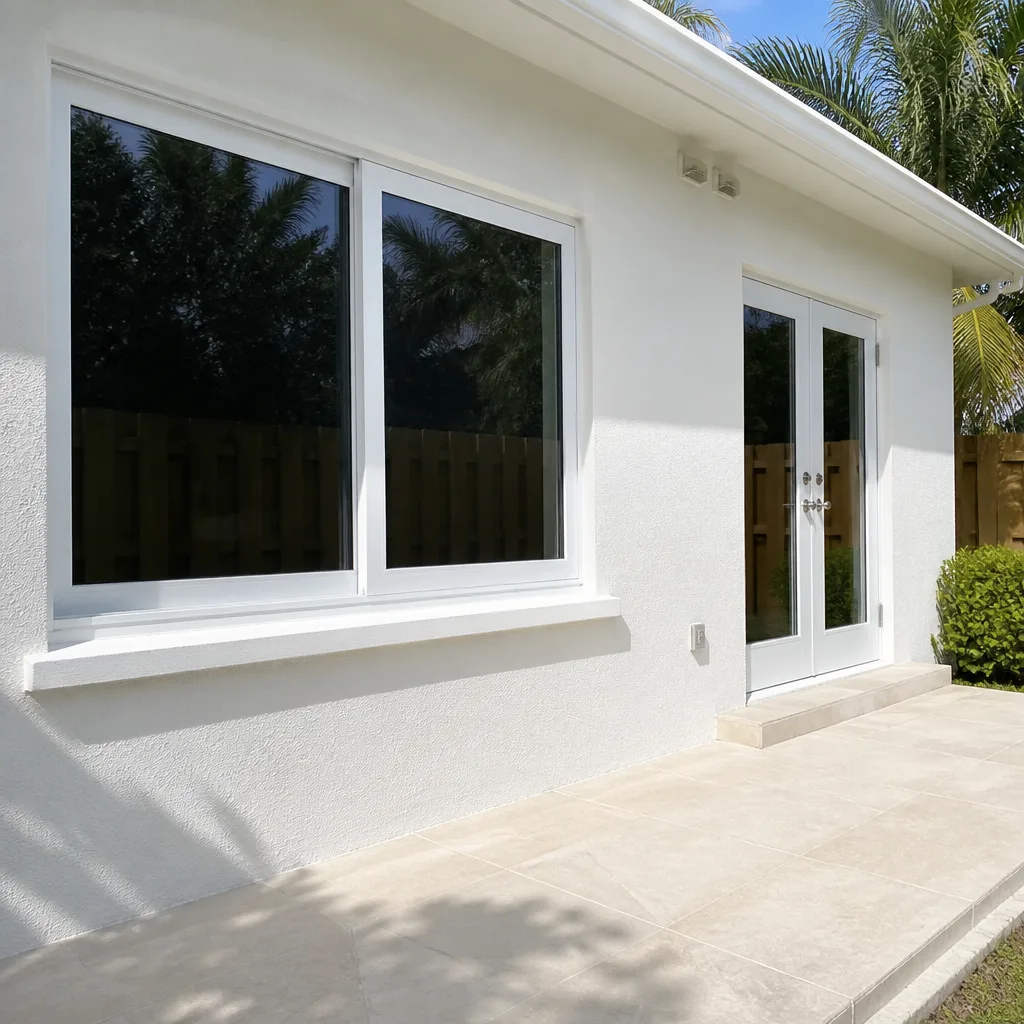 After
After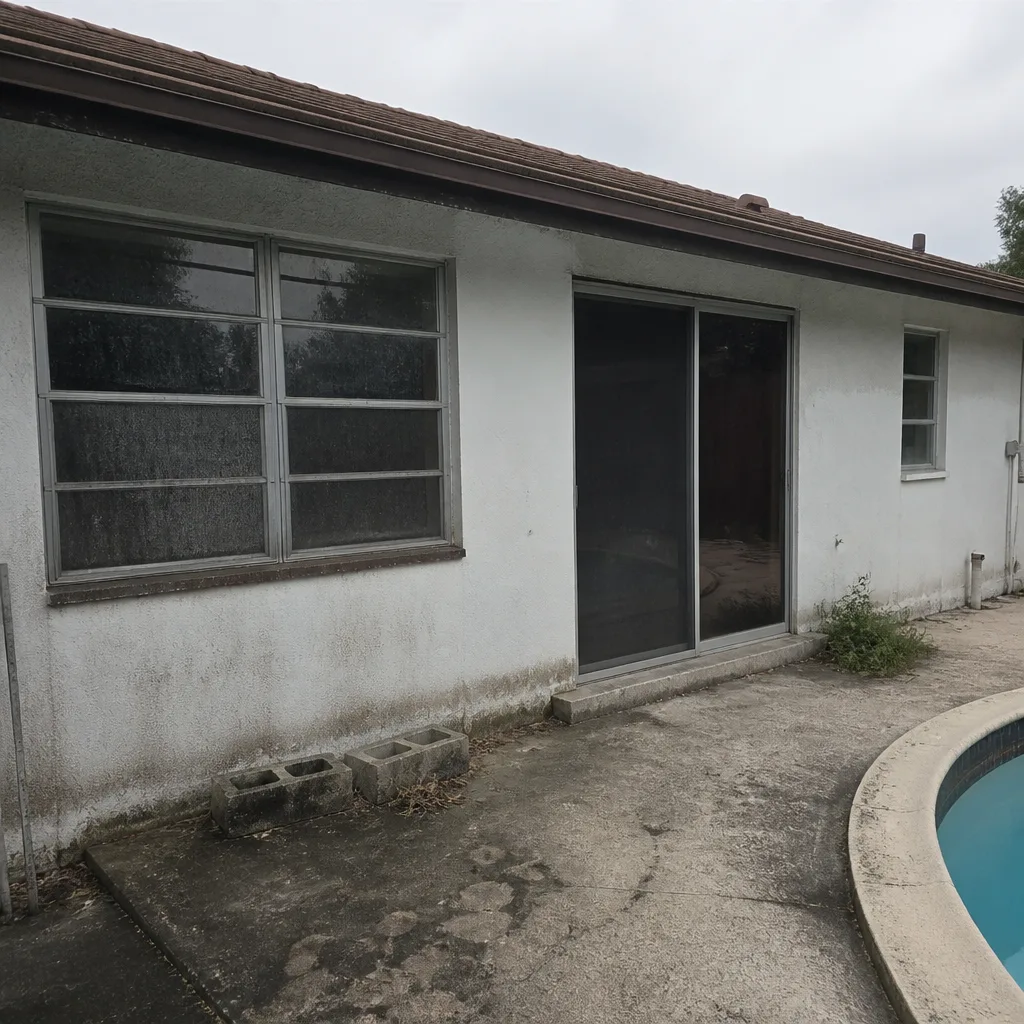 Before
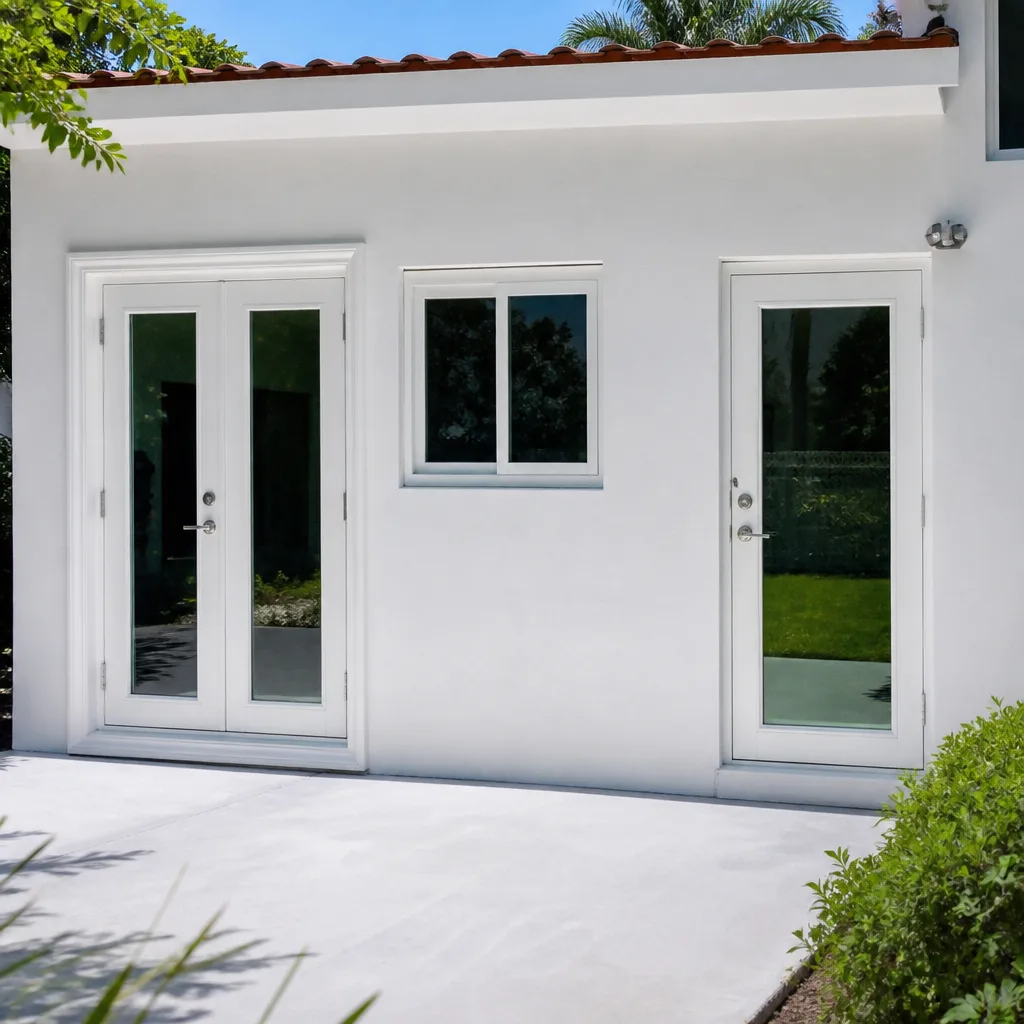 After
AfterWindows & Doors Permits, Codes & Inspections in FL: What You Need to Know
In Florida, an unpermitted window replacement doesn’t just risk a stop-work order - it creates a title encumbrance that can delay or kill a home sale years after the work is done. The 4-point insurance inspection required by most Florida carriers will flag unpermitted openings, and we’ve seen buyers in Hollywood walk away from contracts because the seller cannot produce a Certificate of Completion for windows installed in 2019. This guide explains the three approval layers every Florida window and door installation must pass through, the paper trail each layer creates, and where that trail surfaces when you sell; for a deeper dive, see our complete guide to windows & doors in Hollywood.
Quick Answer
Every window and door replacement in Florida requires three layers of approval: state product approval (Florida Product Approval or Miami-Dade NOA), a local building permit from your city or county, and third-party inspection with a Certificate of Completion. In Hollywood, located in Broward County’s High-Velocity Hurricane Zone, impact-rated products with Miami-Dade NOAs are typically required. Unpermitted work creates a title defect that appears on 4-point insurance inspections and must be resolved through retroactive permitting at $300-$900 per opening.
Table of Contents
- The Three Approval Layers: What Each Document Covers
- Florida Product Approval vs. Miami-Dade NOA: Geographic and Wind-Zone Logic
- How to Look Up Permits on Broward County’s Public Portal
- Notice of Commencement, Building Permit, and Certificate of Completion
- The 4-Point Inspection: What Insurance Carriers Check on Windows and Doors
- Retroactive Permits: When a Prior Owner Skipped the Process
- Common Mistakes to Avoid
- When to Call a Professional
- Frequently Asked Questions
- The Bottom Line
 Before
 After
AfterThe Three Approval Layers: What Each Document Covers
Florida’s window and door installation process operates like a chain of custody. Each layer generates a document that follows the property, not the installer, and gaps in that chain become problems at resale.
Layer 1: State Product Approval
Before any window or door enters a Florida home, the product itself must be approved by the Florida Building Commission or carry a Miami-Dade Notice of Acceptance (NOA). This is not a permit - it is a certification that the product has passed missile-impact testing, cyclic wind-pressure testing, and water-infiltration testing for specific wind zones.
The Florida Product Approval Database is searchable online by product code. A Miami-Dade NOA is issued separately and is more stringent; it is required in High-Velocity Hurricane Zones, which includes all of Broward County and therefore Hollywood. We’ve specified window installation in Hollywood using products from ES Windows and ECO Window Systems that carry both designations, because the NOA satisfies the stricter standard and the Florida Product Approval covers statewide resale value.
Key detail: the product approval is tied to the exact product SKU, not the manufacturer generally. A PGT window with a Florida Product Approval number does not mean every PGT window is approved - the specific model, size, and glazing configuration must match the approval document.
Layer 2: Local Building Permit
The building permit is issued by the local authority having jurisdiction (AHJ). In Hollywood, this is the City of Hollywood Building Department for work within city limits, or Broward County Building Code Division for unincorporated areas. The permit application includes:
- The product approval number for each window or door being installed
- A site plan showing opening locations
- The installer’s contractor license number
- Notice of Commencement (for jobs over $5,000)
The permit fee in Hollywood typically runs $85-$150 for a standard residential window replacement, plus plan review fees if engineering is required. The permit creates a public record that appears on the property’s official record card.
Layer 3: Third-Party Inspection and Certificate of Completion
After installation, a third-party inspector - not the installer, not the city inspector in most cases - verifies that the installed product matches the permitted product, that fasteners meet the approved engineering, and that operable windows and doors function correctly. In Broward County, this is typically a private provider inspector or the city’s building inspector.
The Certificate of Completion (sometimes called a Certificate of Occupancy for new construction, or a final inspection approval for replacement work) is the document that closes the permit. Without it, the permit remains open, and an open permit is a title defect.
We’ve completed over 18,000 openings since 2012, and every one leaves with a documented photo record and a closed permit. The Haven Standard requires it: Evidence on every job, No surprises.
Florida Product Approval vs. Miami-Dade NOA: Geographic and Wind-Zone Logic

The distinction between Florida Product Approval and Miami-Dade NOA is not bureaucratic trivia. It determines whether your windows will pass inspection, whether your insurance will cover wind damage, and whether your buyer’s lender will fund their mortgage.
Wind Zone Mapping
Florida divides into wind zones based on design wind speed - the maximum sustained wind a structure must withstand. The 2023 Florida Building Code uses these thresholds:
- Wind Zone 1: 130 mph (most of Central and North Florida inland)
- Wind Zone 2: 140 mph (coastal areas, some Central Florida)
- Wind Zone 3: 150 mph (southern coastal counties including Broward)
- High-Velocity Hurricane Zone (HVHZ): 170+ mph, with additional missile-impact requirements (Miami-Dade and Broward counties)
Hollywood sits in the HVHZ. This means every window and door must either carry a Miami-Dade NOA or a Florida Product Approval with HVHZ equivalence - and the inspector will verify this on site.
When Florida Product Approval Alone Is Insufficient
A Florida Product Approval without HVHZ equivalence cannot legally be installed in Hollywood, even if the product is technically capable of withstanding 170 mph winds. The approval document itself must state HVHZ compliance. We’ve reviewed competitor quotes where the specified product carried only a standard Florida Product Approval; the installation would fail inspection, and the homeowner would bear the cost of removal and replacement. For help spotting these issues early, see our Windows & Doors Warning Signs: A Hollywood Homeowner’s Reference Guide.
This is why Sightline specifies products by performance tier and price range, not by margin. For a Hollywood address, we might recommend Mr-Glass impact-rated vinyl windows with a Miami-Dade NOA for a mid-tier budget, or Therma-Tru impact entry doors with HVHZ Florida Product Approval for a premium specification. The opening determines the product, not the warehouse inventory.
The Geographic Logic of NOAs
Miami-Dade County developed its NOA system after Hurricane Andrew in 1992, before statewide standards existed. Broward County adopted Miami-Dade’s criteria rather than create a parallel system. The result: a Hollywood address requires the same product certification as a Miami Beach address, even though the cities are in different counties.
This matters when you buy windows online or from out-of-state suppliers. A product with a Texas wind rating or an ASTM certification that doesn’t reference Florida or Miami-Dade will not pass inspection in Hollywood. The permit will be denied, or the final inspection will fail.
How to Look Up Permits on Broward County’s Public Portal
Broward County maintains a unified permit search system that covers most municipalities, including Hollywood. Knowing how to use it protects you whether you’re buying, selling, or verifying your own home’s record.
Step-by-Step Permit Lookup
- Navigate to the portal: Search “Broward County Permits” and select the official site (permits.broward.org). The system is called EPIC (Electronic Plans Intake and Control).
- Enter the property address: Use the full street address as it appears on the deed. Partial addresses sometimes return no results.
- Review the permit history: The results page shows all permits by type - building, electrical, plumbing, roofing. Window and door permits typically appear under “Building” with a description like “Window Replacement” or “Door Replacement.”
- Check the status column: Look for “Finaled,” “Expired,” “Open,” or “Void.” Each status has different implications.
Permit Status Definitions
| Status | What It Means | Impact on Sale |
|---|---|---|
| Finaled | Work completed, inspections passed, Certificate of Completion issued | No issue; document the permit number for your files |
| Expired | Permit was issued but never completed or inspected; timed out after 180 days (typical) | Title issue; must be re-permitted or closed by inspector |
| Open | Work may be in progress, or inspections were never scheduled | Title issue; cannot close until resolved |
| Void | Permit was cancelled before work began | Usually no issue if no work was performed |
We’ve seen homes in Hollywood Hills and Emerald Hills with “Expired” permits from 2017 window replacements that the current owner didn’t know existed. The permit shows on the title search, the 4-point inspector notes it, and the seller must resolve it before closing. The resolution typically costs $300-$900 per opening for retroactive permitting, plus the original installer’s cooperation in providing product approval documentation.
Hollywood-Specific Considerations
The City of Hollywood Building Department processes permits through the same EPIC system but maintains its own plan review queue. In our experience, standard window replacements without structural modifications clear plan review in 5-10 business days. Impact-rated products with Miami-Dade NOAs move faster because the product approval is already vetted; custom or non-standard products trigger an engineering review that adds 2-3 weeks.
Hollywood also requires a tree protection affidavit for properties with protected species, which can delay permitting in neighborhoods like Hollywood Lakes where mature oaks and gumbo limbos are common. This isn’t window-specific, but it affects project timelines.
Notice of Commencement, Building Permit, and Certificate of Completion

These three documents are frequently confused, and the confusion costs homeowners money at closing. Each serves a distinct legal function, and each follows a different timeline.
Notice of Commencement (NOC)
The NOC is recorded with the county clerk before work begins on any job valued over $5,000. It is not a permit - it is a public notice that construction is starting, and it establishes the timeline for lien rights. In Broward County, the NOC is recorded at the Clerk of Courts and is searchable by property address.
For a typical whole-home window replacement in Hollywood, the NOC is required. For a single-window replacement, it usually is not. The contractor should know the threshold and handle recording; if they don’t, that’s a warning sign.
The NOC includes:
- Property owner name and address
- Contractor name, license number, and address
- Project description and estimated value
- Lender information, if applicable
Failure to record an NOC when required can invalidate the contractor’s lien rights, which sounds like the owner’s problem but often triggers disputes that cloud title.
Building Permit
The building permit authorizes the physical work. It is issued by the AHJ after plan review and must be posted on site before work begins. In Hollywood, inspectors verify the permit posting during the first inspection visit; work without a posted permit can be red-tagged (stopped) and fined.
The permit application requires the contractor’s license, insurance, and the product approval numbers for all specified materials. At Sightline, the measured survey we provide to the customer includes these numbers before permitting begins; the written scope and the permit application are the same document, per Haven Clause 1.
Certificate of Completion (COC)
The COC is the final document. It certifies that all inspections have passed, the work matches the permitted scope, and the permit is closed. In Broward County, the COC is typically a digital record in the EPIC system, sometimes supplemented by a physical certificate.
The COC is what title agents and insurance inspectors look for. An open permit - one without a COC - means the work was never officially completed, even if the windows look fine and function properly. The distinction matters because:
- An open permit can prevent a mortgage from funding
- An expired permit may require full re-permitting, not just a late inspection
- A finaled permit with no COC on file suggests a records error that must be corrected
We document every COC number in the customer’s file and provide it on request. The photo record from every job includes images of the posted permit, the inspection sign-off, and the final installation. Evidence on every job.
The 4-Point Inspection: What Insurance Carriers Check on Windows and Doors
Florida’s insurance market has tightened dramatically since 2020, and the 4-point inspection is where unpermitted window work surfaces with financial consequences. Most carriers require this inspection for homes older than 25 years, and many now require it for any home with a prior claim or policy lapse.
What the 4-Point Covers
The inspection examines four systems: roof, electrical, plumbing, and HVAC. Windows and doors fall under the roof section in most inspector protocols, because the envelope integrity is what protects the structure. The inspector specifically checks:
- Whether openings are impact-rated or have approved hurricane protection (shutters, panels)
- Whether the installed products match the permit record
- Whether permits exist for replacements that appear newer than the home’s age
- Whether operable windows function and seal properly
How Unpermitted Work Surfaces
An experienced 4-point inspector in Hollywood knows the original construction eras: mid-century Florida ranch homes in Hollywood Hills typically had single-pane aluminum windows; 1980s construction in Emerald Hills had early vinyl replacements; post-2002 construction after the code update had impact-rated products. When a 1962 home has 2020-era impact windows but no permit record, the inspector flags it.
The flag doesn’t mean the windows are defective. It means the carrier cannot verify they were installed to code, which increases the carrier’s risk. The typical outcomes:
- Carrier requires retroactive permitting before binding coverage
- Carrier excludes wind damage for the flagged openings
- Carrier declines to quote, forcing the homeowner to the surplus market at higher premiums
Impact-Rated Products and Premium Reduction
The inverse is also true. Properly permitted, impact-rated windows and doors with Miami-Dade NOAs can reduce premiums through wind mitigation credits. The Uniform Mitigation Verification Inspection form (OIR-B1-1802) includes sections for opening protection that, when satisfied with documented impact-rated products, trigger credits of 10-45% on the wind portion of the premium.
The key word is documented. The inspector must see the product approval number, the permit, and the installation. At window replacement in Hollywood, we provide customers with a packet for their insurance file: the product approval sheet, the closed permit number, and the photo record. We’ve had customers in Hollywood Lakes reduce their annual premium by $800-$1,400 after documenting impact-rated installations.
Retroactive Permits: When a Prior Owner Skipped the Process
This is where the paper trail gaps hurt. A homeowner buys a property, lives in it for years, and discovers at sale that the prior owner replaced windows without permits. The discovery typically happens during the buyer’s title search or 4-point inspection.
The Retroactive Permit Process in Broward County
- Application: The current owner (or their contractor) applies for a permit retroactively. The application must include the same documentation as a standard permit: product approval numbers, site plan, and contractor license.
- Exposed inspection: Unlike a standard replacement where framing is open, a retroactive inspection requires the inspector to verify installation without disassembly. This is harder. If the inspector cannot confirm fastening patterns or flashing details, they may require selective exposure - cutting drywall or siding to verify.
- Correction notices: If the installation doesn’t match current code (which may have changed since the original work), corrections are required. This can mean replacing windows that were legally installed under prior code but don’t meet current standards.
- Final approval: Once the inspector verifies compliance, the permit is finaled and the COC issued. The record updates in EPIC.
Typical Costs and Timeline
Retroactive permitting in Hollywood costs $300-$900 per opening, depending on:
- Whether the original product approval can be located
- Whether the product meets current code or must be replaced
- Whether selective exposure is required
- Whether engineering review is needed for non-standard sizes or installations
The timeline runs 4-12 weeks, compared to 2-3 weeks for standard permitting. We’ve handled retroactive permits in Hollywood where the prior owner used a handyman with no contractor license; the product approvals were unavailable, and the windows had to be replaced entirely. For guidance on avoiding this scenario, read our DIY vs Professional Windows & Doors: The Hollywood Homeowner’s Decision Guide. The homeowner’s $15,000 “savings” on the original installation became a $28,000 replacement plus permitting cost.
Pre-Purchase Due Diligence
If you’re buying in Hollywood, search the permit history before you make an offer. The EPIC search is free and takes 10 minutes. Look for:
- Gaps between visible window age and permit records
- Permits with no final inspection
- Work descriptions that don’t match visible improvements
We provide free second opinions on any written estimate, including estimates that assume retroactive permitting isn’t needed, and we invite you to explore more guides & resources on our blog. Bring us a contractor’s quote and we’ll review the permit assumptions at no charge.
Common Mistakes to Avoid
- Assuming replacement windows don’t need permits. In Florida, any window or door replacement that changes the opening size, the product type, or the structural attachment requires a permit. Even like-for-like replacements in the HVHZ typically require permits because the product approval must be verified.
- Accepting a contractor’s verbal assurance that permits are “handled.” The permit record is public; verify it yourself on EPIC. We’ve seen contractors in Hollywood claim permits were “pulled” when only an application was submitted, leaving the permit in “Open” status.
- Installing non-impact-rated products to save money. In Hollywood’s HVHZ, non-impact-rated products without approved hurricane shutters will fail inspection and void insurance coverage. The savings evaporate at the first storm or the first sale.
- Discarding product approval documentation after installation. Keep the product approval sheets, the permit, and the COC in your permanent home file. You’ll need them for insurance, for sale, and for warranty claims. Sightline provides these in a labeled folder as standard practice.
- Ignoring an “Expired” permit from a prior owner. Expired permits don’t age out; they remain on the property record until resolved. A 2018 expired permit will block a 2026 sale just as effectively as a 2025 open permit.
- Hiring an unlicensed installer for “just a few windows.” Florida requires a licensed contractor for any job over $1,000 or any job requiring a permit. Unlicensed work cannot be permitted, cannot be inspected, and cannot be insured. The risk transfers entirely to the homeowner.
- Assuming all impact windows are equal. Impact-rated products vary by design pressure (DP) rating, which must match or exceed the home’s structural engineering. A DP-50 window is not interchangeable with a DP-60 window in a high-exposure Hollywood location near the Intracoastal.
When to Call a Professional
Call a licensed window and door contractor when you’re planning any replacement, when you’ve discovered unpermitted work on a property you’re buying or selling, or when your insurance carrier has flagged openings on a 4-point inspection. The cost of professional permitting is predictable; the cost of retroactive correction is not.
Sightline Windows & Doors Hollywood offers free estimates in Hollywood - call (754) 714-7309. Every estimate includes a measured survey you keep, a written price before any work starts, and a permit strategy that closes clean. We specify products from ES Windows, ECO Window Systems, Mr-Glass, and Therma-Tru by what the opening requires, not by warehouse availability. Background-checked, uniformed technicians with license numbers on the record. Live person answers the phone, 24/7.
Frequently Asked Questions
Retroactive permitting in Hollywood typically costs $300-$900 per opening, plus any corrections required if the original installation doesn’t meet current code. The total can exceed $15,000 for a whole-home correction if products must be replaced. Call (754) 714-7309 for an exact quote on your situation - estimates are free.
No. Haven Clause 1 requires that the measured survey and the written quote are the same document. The price we name before work starts is the price on the final invoice. If we encounter concealed damage - rotted framing, for example - we document it, stop work, and present a written amendment before proceeding. No surprises.
We pull all permits as part of our standard process. The permit application includes our contractor license, insurance certificates, and the product approval numbers for your specified products. You receive the permit number for your records, and we handle all inspections through final approval. Evidence on every job.
Standard window replacements with Miami-Dade NOA products clear Hollywood plan review in 5-10 business days. Custom products or jobs requiring engineering review add 2-3 weeks. We submit applications within 48 hours of signed agreement and track them through the EPIC system.
“Finaled” means all inspections passed and the Certificate of Completion was issued - the permit is closed and creates no title issue. “Expired” means the permit timed out without final inspection - the work may be complete and functional, but it was never officially approved. Expired permits require retroactive resolution and can block home sales.
Florida law allows homeowners to act as their own contractor on their primary residence, but the permit still requires product approvals, inspections, and compliance with HVHZ standards. The risk is that DIY installations frequently fail inspection for fastening pattern, flashing detail, or product approval mismatch. Failed inspections require correction and re-inspection fees. For impact-rated products in Hollywood, professional installation is the lower-risk path.
The Bottom Line
Florida’s three-layer approval system for windows and doors - state product approval, local permit, and third-party inspection - creates a paper trail that follows the home’s title. In Hollywood’s High-Velocity Hurricane Zone, Miami-Dade NOAs are typically required, and the 4-point insurance inspection will verify compliance. Unpermitted work doesn’t just risk fines; it creates encumbrances that surface at sale, often costing $300-$900 per opening to resolve retroactively. The protection is straightforward: verify permits on Broward’s EPIC portal before you buy, demand product approval documentation from your installer, and keep the Certificate of Completion with your permanent records. Door installation in Hollywood and window work carry the same requirements; the standards don’t vary by product type.
Written by Sonia Raman, Owner at Sightline Windows & Doors Hollywood, serving Hollywood since 2012.