
Last updated September 24, 2026
Free in-home measure and quote - PGT, CGI and CWS impact lines compared on your actual openings, style by style
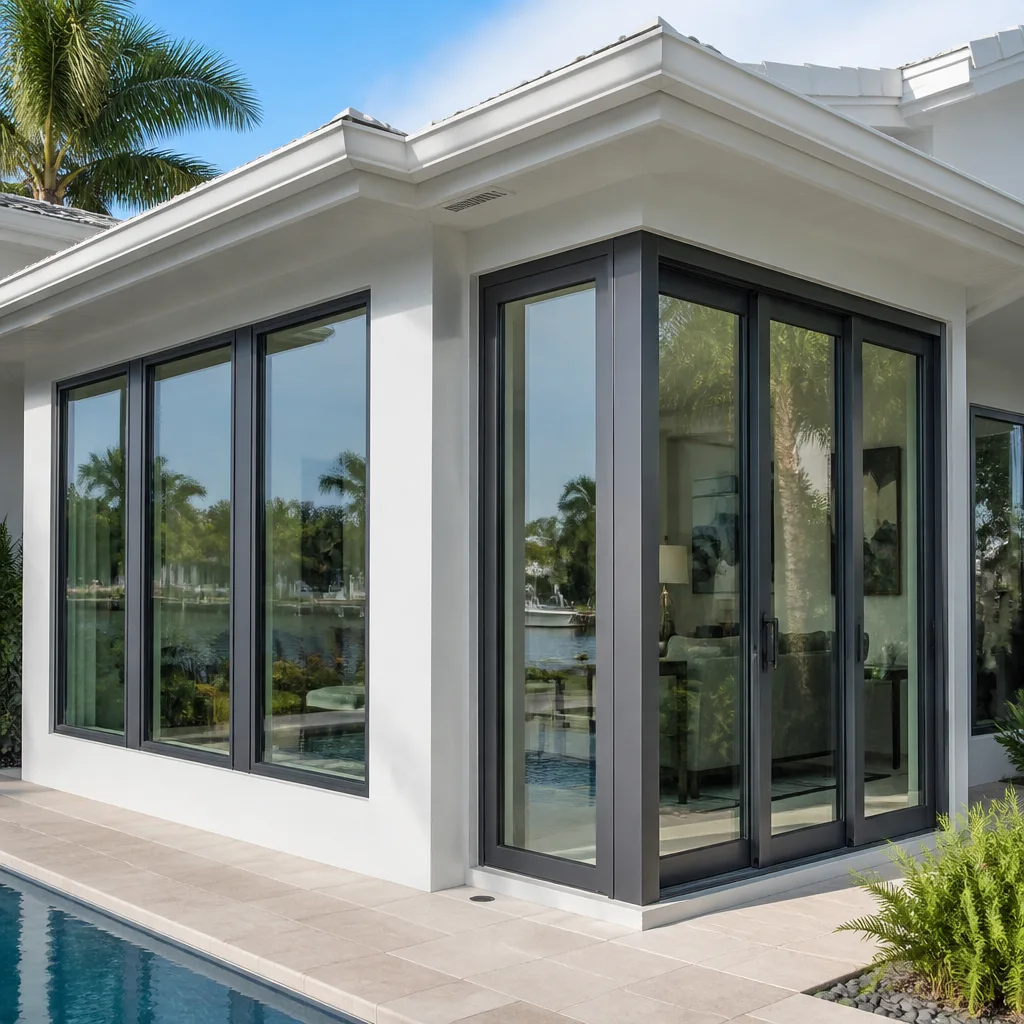
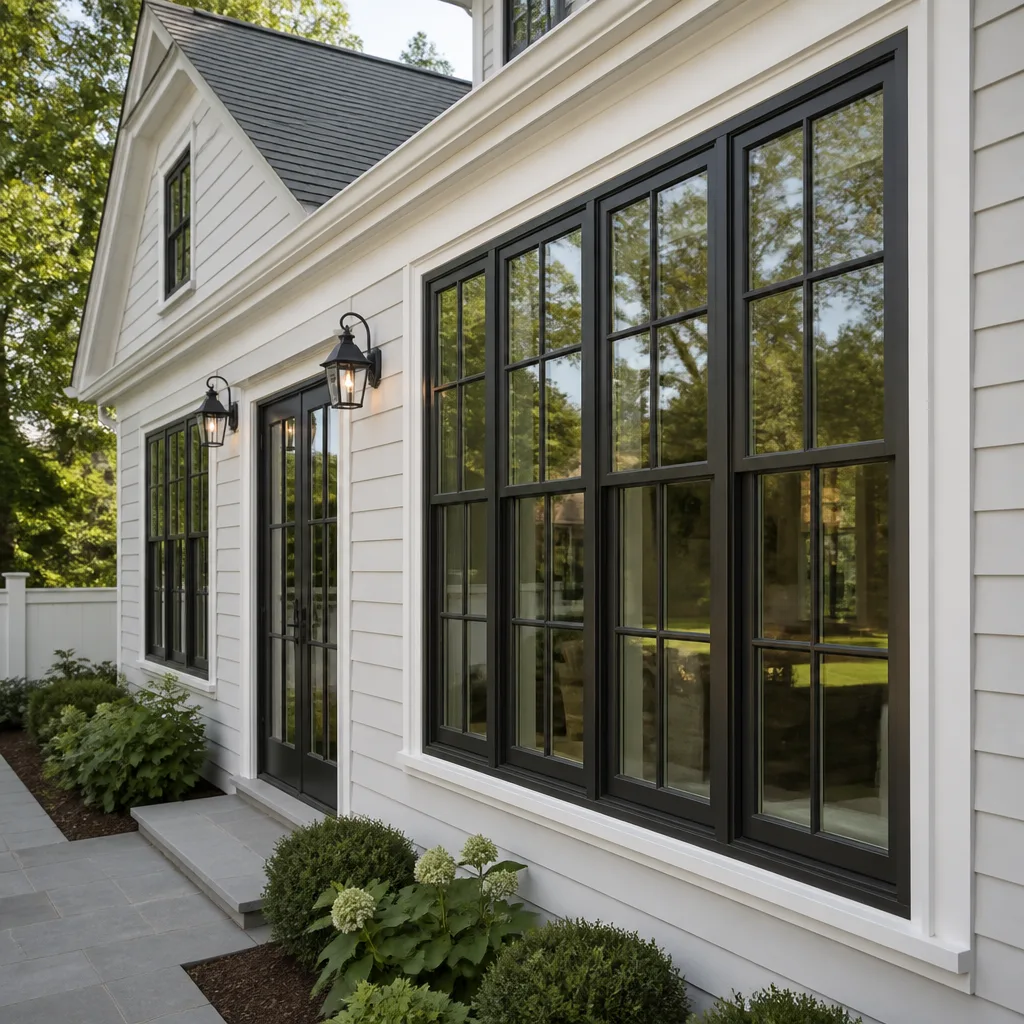
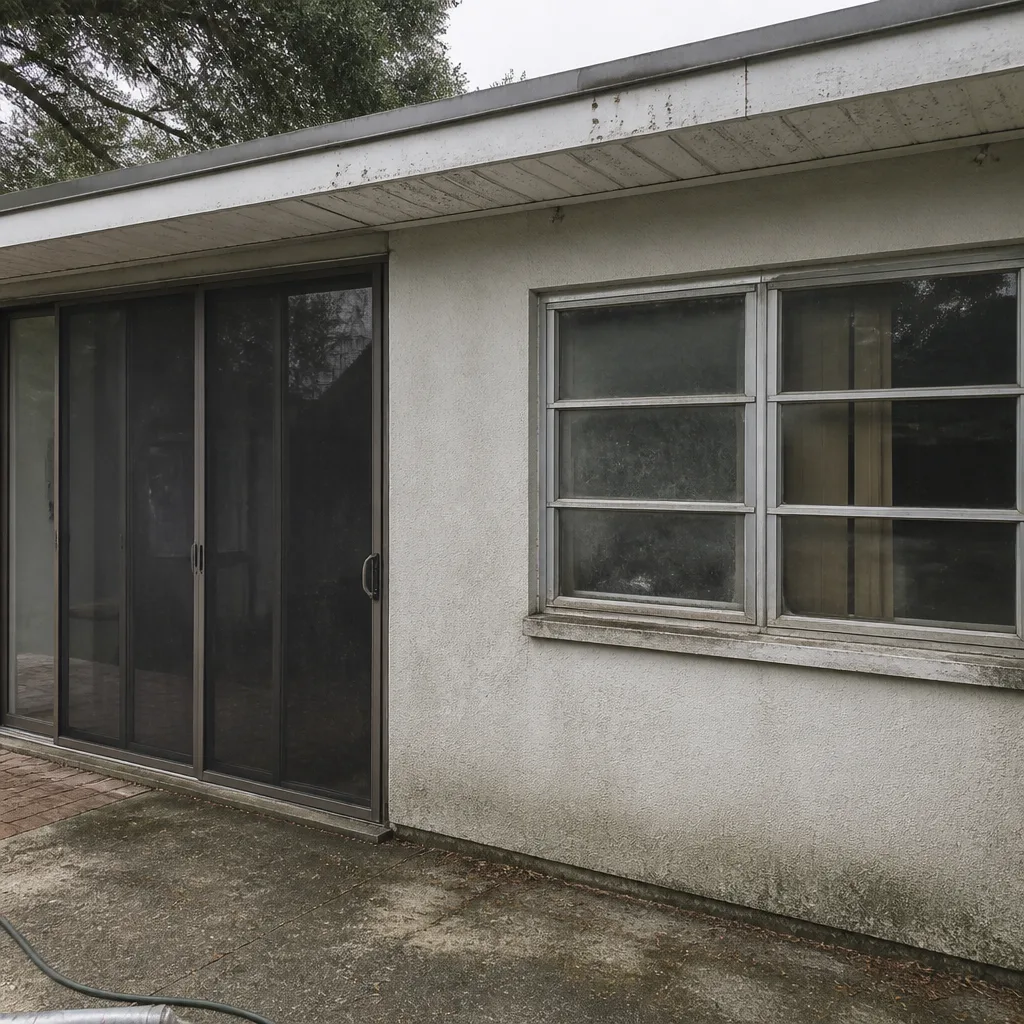 Before
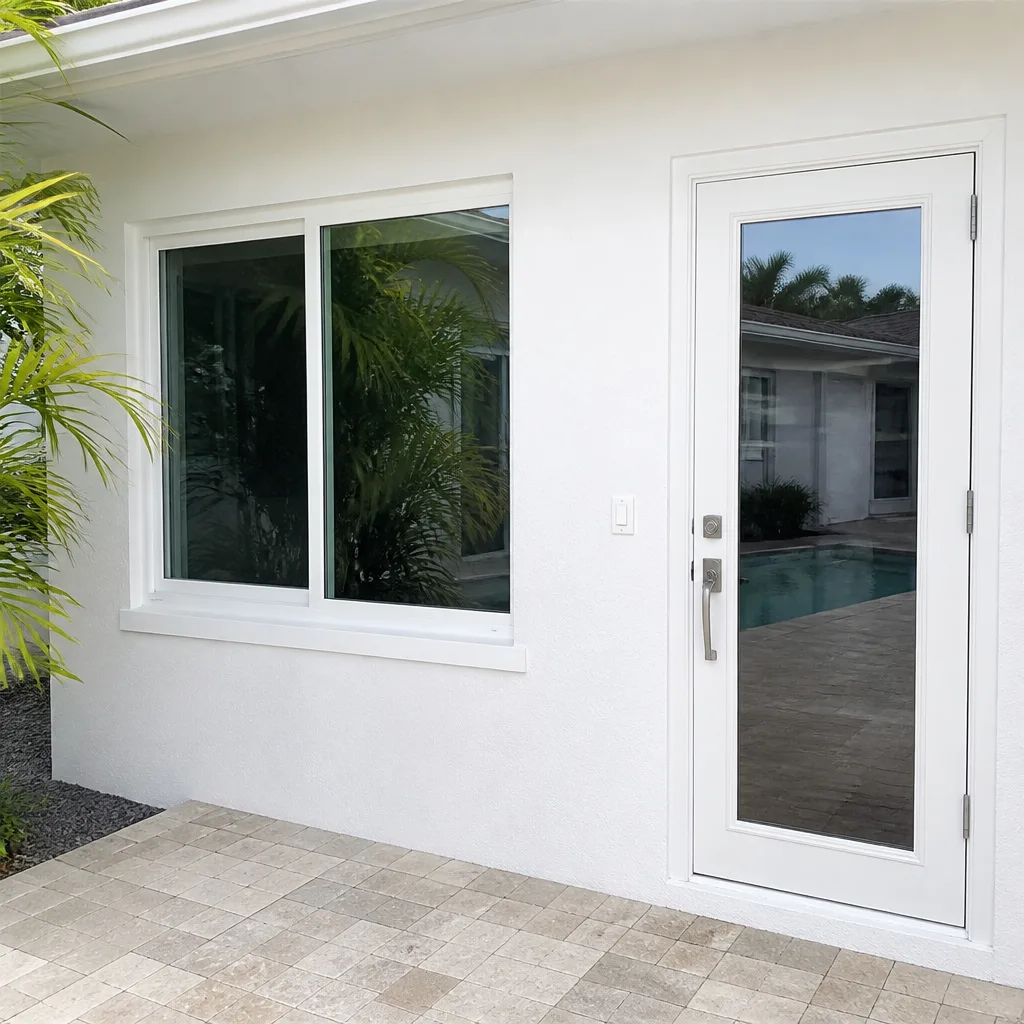 After
After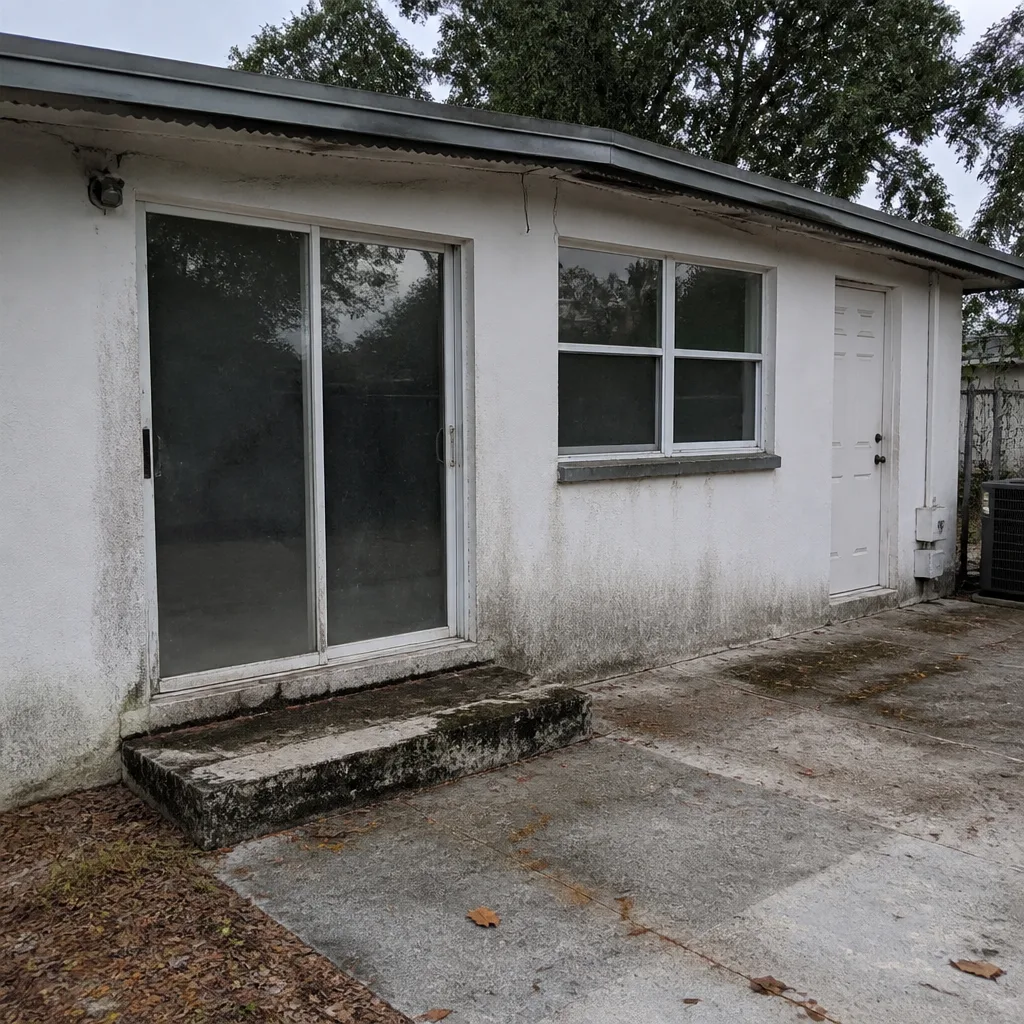 Before
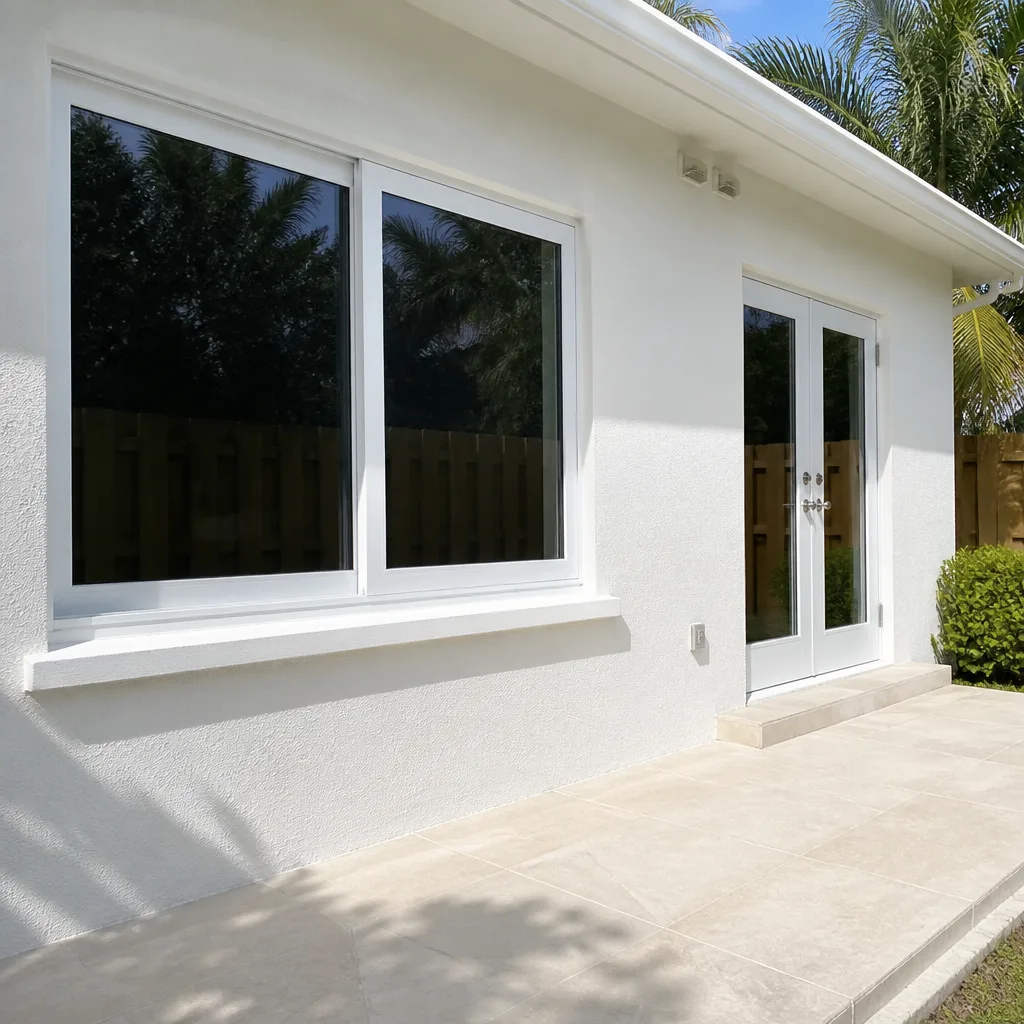 After
After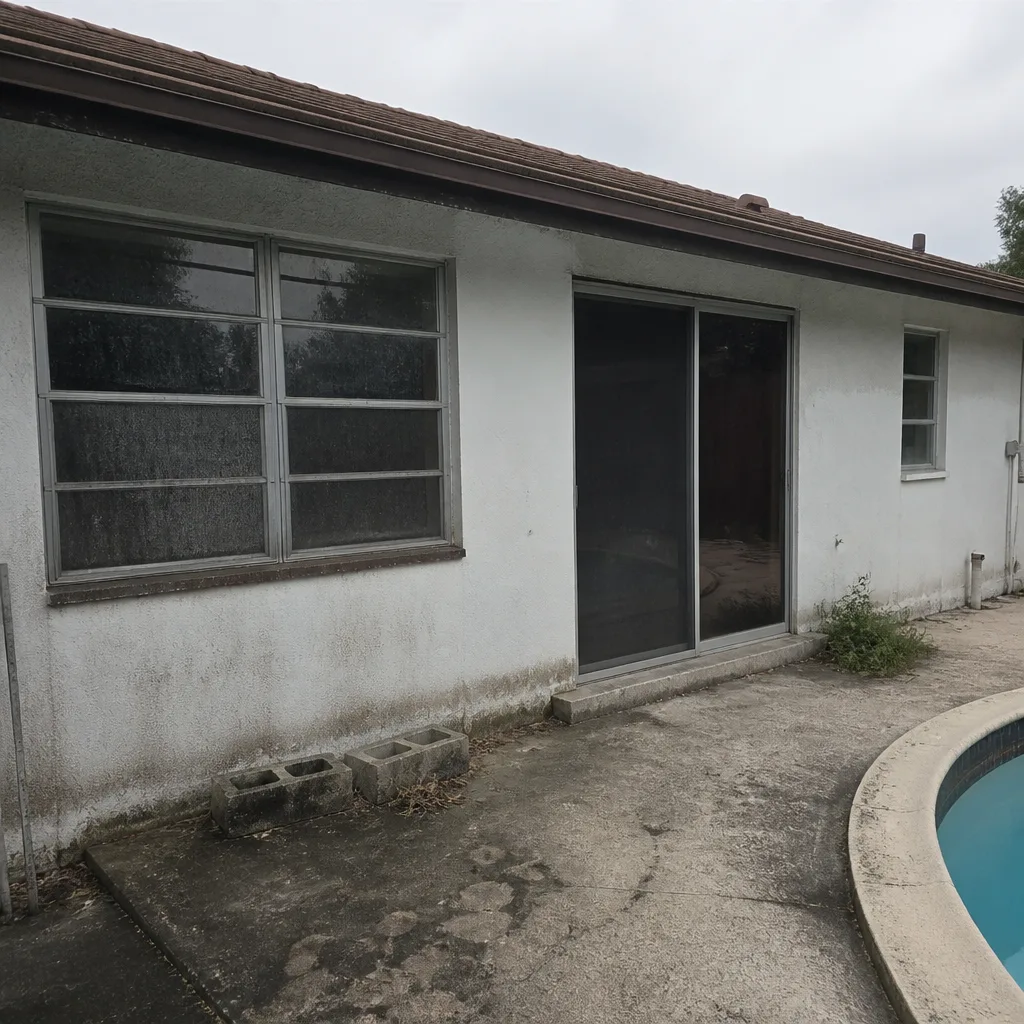 Before
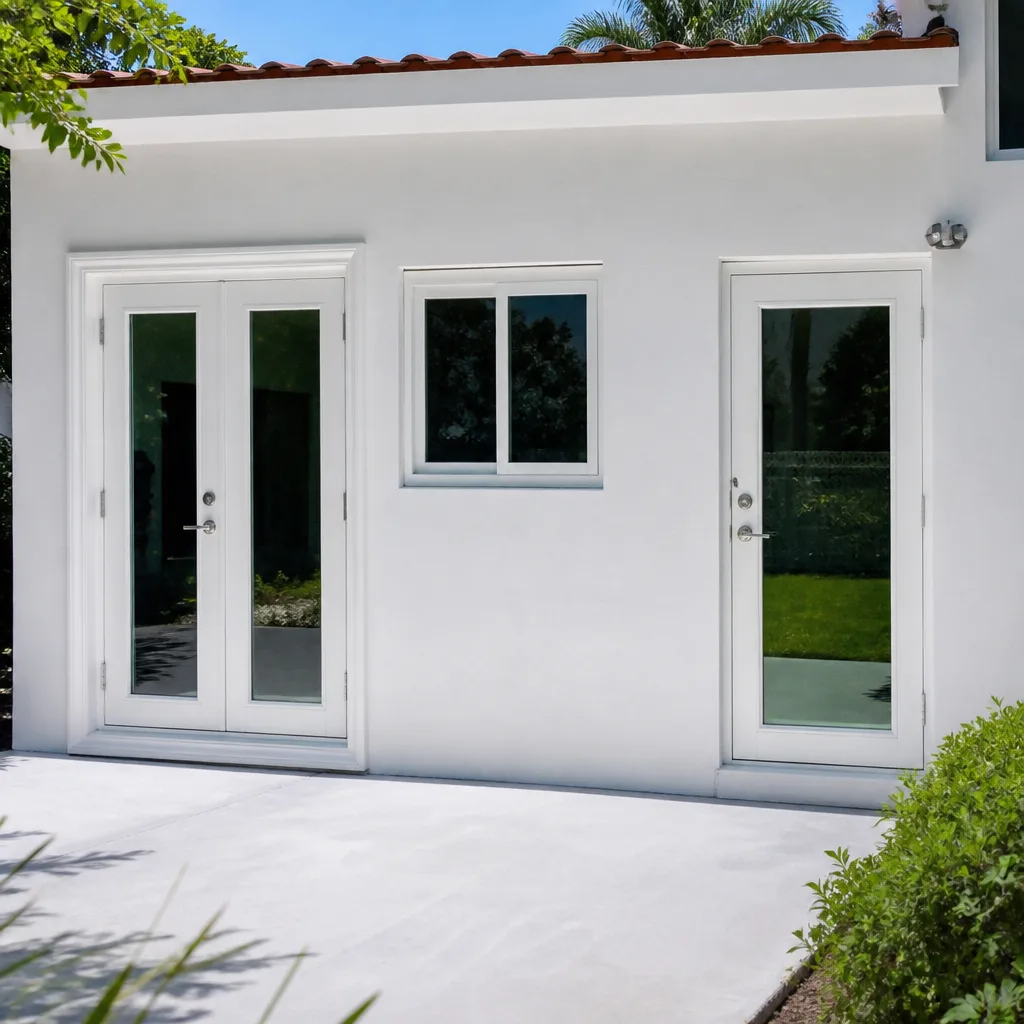 After
AfterWindows & Doors Warning Signs: A Hollywood Homeowner’s Reference Guide
Most window and door failure in Hollywood homes announces itself 12 to 24 months before it becomes an emergency, but the symptoms are specific enough that a homeowner can identify them without tools. A window that fogs between its panes isn’t just a visibility problem - it’s proof that the insulating gas seal has failed, which in a double-pane impact unit means the unit’s thermal performance is no longer what it was rated for, and in some cases the structural laminate adhesion may also be degraded. In Hollywood’s coastal climate, where salt air accelerates hardware corrosion and summer humidity tests sealant adhesion daily, catching these signals early is the difference between a scheduled unit replacement and water intrusion into the wall cavity. This guide catalogs the measurable symptoms by component - frame, glazing, hardware, and sealant - so you know what you’re looking at before you call anyone.
Quick Answer
Window and door warning signs in Hollywood fall into four diagnostic categories: frame distortion or separation at the sill or jamb; glazing failure visible as fogging between panes, glass thermal stress cracks, or laminate delamination in impact units; hardware malfunction including multipoint lock misalignment, sash drift, or corroded fasteners; and sealant failure showing as cohesive splitting, adhesive separation from the substrate, or visible gaps at the head flashing. Most of these conditions develop gradually and can be confirmed with visual and tactile inspection requiring no instruments. When two or more categories show symptoms simultaneously, the opening likely needs replacement rather than repair.
Table of Contents
- The Four-Category Diagnostic Framework
- Glazing Failure: What Fogging Actually Means
- Impact Door Hardware: Multipoint Lock Warning Signs
- Sealant Failure Sequence vs. Flashing Compromise
- How Hollywood’s Climate Accelerates Specific Failures
- Florida Resale Disclosure and Documented Inspection Records
- Common Mistakes to Avoid
- When to Call a Professional
- Frequently Asked Questions
 Before
 After
AfterThe Four-Category Diagnostic Framework
After surveying thousands of openings across Hollywood and Broward County, we’ve found that every window or door failure resolves to one of four components: the frame, the glazing, the hardware, or the sealant. Each has its own failure mode, its own progression timeline, and its own repair scope. Learning to distinguish them prevents the most common homeowner error - treating a glazing failure as a humidity problem, or a sealant failure as a hardware adjustment.
Frame: The Structural Boundary
The frame is the fixed perimeter that anchors the operable or fixed sash to the rough opening. In Hollywood homes built between 1980 and 2010, we see three dominant frame materials: aluminum, vinyl, and wood-clad aluminum. Each fails differently.
Aluminum frames show thermal expansion stress at the corners. Look for:
- Separation at the mitered corners of the sash, visible as a hairline gap where the two extrusions meet
- Paint bubbling or oxidation blooming on the exterior surface, especially at the sill where standing water collects
- Frame deflection: close the sash and check whether the meeting rail sits parallel to the fixed panel; a twisted frame will show uneven contact
Vinyl frames degrade from UV exposure and thermal cycling. Symptoms include:
- Chalking - a white, dusty residue that transfers to your finger when you rub the exterior surface
- Profile distortion: the frame appears bowed or twisted when viewed from the interior, often most visible at the head
- Cracking at weld lines, particularly at the sill corners where the most stress concentrates
Wood-clad frames fail at the cladding-to-wood interface. In Hollywood’s humidity, water finds the fastener penetrations. Check for:
- Interior paint bubbling near the jamb, indicating moisture migration through the frame core
- Exterior cladding separation at the sill nose, where capillary action draws water upward
- Soft spots in the interior sill when pressed with a firm fingertip - the wood has begun to decay
Glazing: The Transparent Element
Glazing failure is the most misdiagnosed category. We’ll cover it in depth in the next section, but for the framework: glazing symptoms fall into three types - seal failure (fogging between panes), thermal stress cracks (radial patterns from the edge), and impact laminate degradation (hazing or delamination in the interlayer).
Hardware: The Moving Parts
Hardware includes hinges, locks, operators, and fasteners. In coastal Hollywood, salt air attacks plated steel components within 18 months of installation if the specification was wrong for the exposure. We’ll detail multipoint lock systems in the impact door section below.
Sealant: The Weather Barrier
Sealant is the flexible joint between the frame and the wall, and between operable components. It fails cohesively (splitting within the bead) or adhesively (separating from the frame or wall). The distinction matters because cohesive failure often allows spot repair, while adhesive failure usually indicates substrate degradation requiring broader intervention.
Glazing Failure: What Fogging Actually Means
This is where most homeowners lose time and money. Fogging on a window does not automatically mean the window has failed. Location of the moisture determines everything.
Interior Surface Condensation: A Humidity Signal
Moisture on the room-side surface of the glass indicates that the interior air has reached its dew point against the cold glass. This is common in Hollywood from December through February, when overnight lows dip into the 50s and interior humidity remains elevated from summer habits. The glass is doing its job - it’s cold because it’s insulating. The solution is humidity management: exhaust fans, dehumidification, or improved air circulation. The window does not need replacement.
To confirm interior condensation: wipe the glass. If the moisture is on the surface you can touch, it’s interior condensation.
Exterior Surface Condensation: Normal Operation
Moisture on the outside surface occurs when humid exterior air contacts glass that has been cooled by overnight radiation. This is most visible on high-performance low-E coatings, which reflect heat so effectively that the exterior glass surface runs cooler than ambient air. It’s a sign the coating is working. Wipe it; it clears. No action needed.
Between-Pane Fogging: Seal Failure Requiring Replacement
Moisture trapped between the two panes of an insulating glass unit (IGU) means the perimeter seal has failed. The desiccant in the spacer bar has saturated, and the insulating gas (typically argon) has escaped. The unit’s U-factor has increased - it’s no longer performing to its labeled rating. In impact-rated units, the situation is more serious.
Impact glass is a laminated sandwich: glass ply, polyvinyl butyral (PVB) or ionoplast interlayer, glass ply. The laminate provides the missile-impact resistance required by Florida Building Code TAS 201 and 203. When the IGU seal fails in an impact unit, moisture enters the airspace and can begin to degrade the laminate-to-glass adhesion at the edges. We’ve removed units in Hollywood’s beach-adjacent neighborhoods where the laminate had begun to separate from the inner ply, visible as a milky haze at the perimeter that gradually advanced inward. The unit was still intact, but its structural integrity was compromised.
The tactile test for between-pane fogging: Run your fingertip across the interior glass, then the exterior glass. If both surfaces feel dry but the fog persists, it’s between the panes. No DIY remedy exists. The IGU must be replaced, and in most cases the replacement must match the original impact rating and Miami-Dade or Florida Product Approval.
Glass Thermal Stress Cracks
These originate at the edge of the glass and propagate in a relatively straight line or gentle curve. They’re caused by temperature differential across the lite - common in Hollywood when a window with dark exterior framing receives direct morning sun after a cool night. The frame heats faster than the glass center, creating edge tension. The crack is a single line, not a spiderweb. Replacement is required, but the underlying cause (frame color, shading, or insufficient edge clearance) must also be addressed or the replacement will crack similarly.
Laminate Hazing in Impact Units
Impact laminate can degrade from UV exposure if the glass plies don’t provide adequate UV filtering, or from moisture intrusion at the edge. The symptom is a cloudy or milky appearance that doesn’t wipe off - it’s inside the laminate layer. In Hollywood’s high-UV environment, we’ve seen this in units installed on west-facing elevations with substandard edge deletion (the clear zone around the perimeter where the coating stops). The laminate degrades fastest where UV penetrates most intensely. Replacement with properly specified window replacement in Hollywood is the only remedy.
Impact Door Hardware: Multipoint Lock Warning Signs
Impact-rated entry doors in Hollywood are required by Florida Building Code to resist wind-borne debris and maintain structural integrity under cyclic wind pressure. The multipoint lock system - typically three to five locking points along the door edge - is integral to this performance. When the hardware malfunctions, the door may still latch, but it’s no longer code-compliant.
What “Hard to Lock” Means at Each Engagement Point
A multipoint lock has a central deadbolt and auxiliary bolts at the top and bottom of the door edge, sometimes with additional pins. “Hard to lock” is not a single symptom. Identify which point resists:
- Central deadbolt resistance: The door is misaligned in the frame, or the keep (strike plate) has shifted. Common in Hollywood homes where slab settlement or frame racking has occurred. The deadbolt scrapes the keep or requires shoulder pressure to engage. This is a frame issue, not a lock issue.
- Top bolt resistance: The door has sagged on its hinges, or the frame head has deflected downward. The top bolt misses the keep entirely or engages only partially. A partially engaged top bolt provides zero wind-load resistance - the door will fail pressure testing.
- Bottom bolt resistance: The sill plate has worn, compressed, or corroded, changing the door’s vertical position. Common with aluminum thresholds in salt-air exposure. The bottom bolt drags or fails to enter the keep.
- Handle lift resistance: The gearbox that translates handle lift into bolt extension is failing. This feels like increased effort throughout the lift motion, not at a single point. Gearbox replacement is required.
The Load Threshold for Code Compliance
Florida Building Code requires that impact doors resist specified design pressures - typically 50 to 70 psf in Hollywood’s wind zone, depending on exposure and height. A multipoint lock with any bolt not fully engaged reduces the effective latch perimeter and compromises the door’s pressure rating. The threshold is binary: all points engaged, or the assembly is non-compliant. A door that “mostly locks” is not a secure door; it’s a failed assembly.
We’ve inspected homes in Hollywood Hills and Emerald Hills where owners had adapted to a “lift and shove” technique to engage a stubborn top bolt. The door appeared functional. Under the door installation in Hollywood standards we apply, that door required immediate hardware replacement or full unit replacement if the frame had racked beyond adjustment.
Corrosion Indicators in Coastal Exposure
In Hollywood’s beach-adjacent zones - from Hollywood Beach to Harbor Islands - salt air corrodes hardware faster than inland owners expect. Check for:
- Pitting on stainless steel handles: true 316-grade stainless resists; 304-grade will pit within 3-5 years in direct salt exposure
- White zinc oxide bloom on galvanized keeps and face plates
- Stiff operation that progresses seasonally, worst in spring after winter humidity and salt accumulation
Hardware specification matters. Sightline’s Haven Standard requires coastal-grade hardware for all installations within 3 miles of the Atlantic, verified by mill certification - not by appearance.
Sealant Failure Sequence vs. Flashing Compromise
Sealant and flashing serve different functions at the window-wall interface, and their failures look different, progress differently, and require different repair scopes. Misidentifying one for the other leads to inappropriate repairs and continuing water intrusion.
Sealant Failure: The First Signs
Sealant is the flexible, visible bead that bridges the gap between the window frame and the wall finish. It accommodates thermal movement and excludes bulk water. Sealant failure progresses through recognizable stages:
- Surface crazing: Fine cracks in the sealant surface, visible on close inspection. The sealant is still adhering and still mostly functional, but UV degradation has begun. This is maintenance territory - removal and reapplication before stage 2.
- Cohesive splitting: Cracks that penetrate the full depth of the sealant bead. The sealant tears within itself. Water can now bypass the sealant. At this stage, the sealant must be removed and replaced.
- Adhesive separation: The sealant pulls away from the frame or wall substrate, creating a visible gap. This indicates either substrate failure (paint, stucco, or frame coating has lost adhesion) or improper priming during original installation. Repair scope expands to include substrate preparation.
In Hollywood’s climate, sealant life expectancy varies dramatically by exposure and formulation. North-facing elevations with quality silicone sealant may last 20 years. South-facing elevations with urethane or acrylic sealant may show cohesive splitting in 5-7 years. We’ve resealed units in Hollywood Lakes where the original acrylic latex had failed completely within 4 years of installation.
Flashing Compromise: The Hidden Problem
Flashing is the sheet material (typically aluminum, copper, or self-adhered membrane) that directs water from the rough opening to the exterior, behind the wall finish. It’s not visible unless the window is removed or the wall is opened. Flashing compromise shows indirect symptoms:
- Interior drywall staining at the window head or jamb, especially after wind-driven rain from the east or southeast - Hollywood’s prevailing storm direction
- Paint bubbling or peeling on the interior sill or jamb, indicating chronic moisture migration
- Musty odor near the opening, from wet insulation in the wall cavity
- Insect activity - termites and ants are attracted to moist wood framing
The critical distinction: sealant failure allows water to reach the gap between frame and wall; flashing failure allows water that reaches that gap to enter the wall cavity. A perfect sealant bead on a window with compromised flashing will still leak, because water finds other paths - through the weep system, through fastener penetrations, or through the frame itself if it’s hollow aluminum.
Repair scope differs accordingly. Sealant failure is localized: remove, prepare, reseal. Flashing compromise requires window removal, wall opening, flashing replacement, and reinstallation - a full window installation in Hollywood scope, not a maintenance repair.
How Hollywood’s Climate Accelerates Specific Failures
Hollywood’s location on Florida’s Atlantic coast creates a specific set of environmental stressors that shorten component life compared to inland Florida markets. Understanding these accelerants helps interpret symptom timing.
Salt Air Corrosion
The ocean influence extends farther inland than many owners assume. In our surveys from Hollywood Beach west to I-95, we’ve measured equivalent salt deposition rates that classify the entire corridor as a severe marine environment per ASTM B117. Hardware specification that suffices in Orlando fails prematurely here. Fasteners that aren’t 316 stainless or properly plated show red rust within 2-3 years. We specify coastal-grade hardware on every Hollywood installation, regardless of distance from the water - the cost difference is negligible compared to premature failure.
High Humidity and Sealant Adhesion
Hollywood’s average annual relative humidity exceeds 75%, with summer months regularly above 80%. This affects sealant curing and adhesion. Solvent-release sealants (some urethanes) can trap solvent if applied in high humidity, creating a soft, undercured bead that fails prematurely. We specify moisture-cure silicones or high-solids formulations rated for tropical application.
UV Intensity and Frame Degradation
South Florida receives approximately 15% more annual UV radiation than the U.S. average. Vinyl frames without adequate titanium dioxide stabilizer chalk and distort faster. Dark-colored frames absorb more solar energy, increasing thermal stress on glazing edges. In Hollywood’s market, we see more thermal stress cracks in west-facing windows with dark bronze frames than in any other configuration.
Hurricane Season Cycling
The annual pressure cycling of tropical systems, even those that don’t make direct landfall, fatigues impact-rated assemblies. Each pressure cycle flexes the glass, the laminate, the frame corners, and the hardware. Over 10-15 years, this cyclic loading contributes to seal fatigue, hardware wear, and frame corner separation that wouldn’t occur in static conditions. A 15-year-old impact window in Hollywood has experienced more fatigue cycles than a 25-year-old window in a non-hurricane zone.
Specific Neighborhood Patterns
In our documentation across Hollywood, we’ve observed patterns tied to construction era and location:
- Hollywood Beach and Harbor Islands (1960s-1980s construction): Original aluminum single-pane windows, many retrofitted with impact shutters or replacement impact windows in the 2000s. The retrofits often used insert windows that preserved the original frame, creating a double-frame condition with compromised drainage. We see more sill rot in these installations than in full-frame replacements.
- Hollywood Hills and Emerald Hills (1980s-2000s): Vinyl window installations from the 1990s-2000s, many with failed IGU seals now reaching end of life. The vinyl profiles from this era had lower UV stabilizer content than current formulations.
- Downtown Hollywood and Lake Shore (1920s-1950s): Original wood windows, many with storm window additions. The challenge here is maintaining historical character while meeting current code. Custom solutions from manufacturers like Therma-Tru and ViewLux can replicate profiles with modern performance.
Florida Resale Disclosure and Documented Inspection Records
Florida law imposes specific disclosure obligations on sellers of residential real estate regarding known defects. Window and door conditions fall squarely within this requirement, and the consequences of non-disclosure can extend well past closing.
The Legal Framework
Florida Statute § 689.25 requires sellers to disclose facts materially affecting the value of the property that are not readily observable and not known to the buyer. Florida case law has established that known defects in windows and doors - active leaks, failed seals, inoperable hardware, or code non-compliance - are material facts requiring disclosure. The standard Florida Realtors/Florida Bar Residential Contract for Sale and Purchase specifically references “window and door operation” in the property condition section.
A seller who knows of fogged IGUs, a door that doesn’t latch properly, or water staining from window leaks and fails to disclose faces potential claims for fraudulent nondisclosure. The statute of limitations is 4 years from discovery, and damages can include repair costs, diminution in value, and in some cases attorney fees.
The Protection of Documented Inspection
A pre-listing inspection by a qualified window and door contractor creates a defensible record. The inspection document should include:
- Condition assessment by opening, with photographic evidence
- Identification of any code non-compliance (impact rating, egress operation, sill height)
- Repair or replacement recommendations with written pricing
- Timeline of when conditions were observed
This documentation serves two functions. First, it enables accurate disclosure - the seller can represent conditions precisely rather than vaguely. Second, it establishes a baseline: if a buyer later claims undisclosed defects, the seller can demonstrate that the condition was known, documented, and either disclosed or repaired before closing.
At Sightline Windows & Doors Hollywood, our Haven Standard inspection produces exactly this documentation: the measured survey the customer keeps, written scope with line-item pricing, and a photo record of every opening. We’ve provided these records to Hollywood homeowners preparing to list in neighborhoods from Oakridge to Park East, and to their real estate attorneys reviewing disclosure packages. The documentation travels with the property record.
For buyers, a pre-purchase window and door inspection is equally valuable. We’ve inspected homes in Hollywood where the seller had “recently replaced all windows” - with non-impact vinyl units in a wind-borne debris region. The buyer used our written assessment to negotiate a $15,000 credit for proper impact-rated Sightline Windows & Doors Hollywood home replacement.
Common Mistakes to Avoid
- Assuming fogging will clear on its own. Between-pane moisture indicates seal failure; the desiccant is saturated and the gas is gone. The unit’s thermal performance is permanently degraded. In Hollywood’s cooling-dominated climate, this means higher energy bills until replacement.
- Applying caulk over failed sealant without removal. New sealant won’t bond to degraded old sealant or contaminated substrate. The repair fails within months, often trapping water behind the new bead and accelerating frame corrosion.
- Ignoring a “sticky” lock as a quirk. Multipoint lock resistance at any engagement point indicates misalignment that will worsen. A door that requires shoulder pressure to lock is not code-compliant and will fail when needed most - during a storm.
- Replacing only the failed window in a matching bank. New windows have different glass tints, reflectivity, and frame profiles than 10-year-old units. The visual mismatch affects curb appeal and can trigger HOA review in Hollywood’s deed-restricted communities.
- Buying impact windows based on price per square foot alone. Impact rating, design pressure, U-factor, and SHGC vary significantly within the same dimensions. A lower-priced unit may have adequate impact resistance but poor thermal performance, or vice versa. Specification must match the opening’s exposure and the home’s energy goals.
- Neglecting to verify Florida Product Approval or Miami-Dade Notice of Acceptance. Not all impact-rated products are approved for all Florida jurisdictions. Hollywood follows Broward County’s amended Florida Building Code, which references Miami-Dade standards. Unapproved products fail inspection and must be removed.
- Waiting for “one more season” on obvious sealant failure. In Hollywood’s rainy season, cohesive sealant splitting admits water directly to the wall cavity. Six months of deferred repair can convert a $400 resealing into a $4,000 wall remediation.
When to Call a Professional
Call for inspection when you observe any of the following: between-pane fogging that persists for more than 48 hours after weather changes; any impact door lock point that requires more than normal hand pressure to engage; visible sealant splitting or separation at the frame-wall interface; interior water staining, paint bubbling, or musty odor near any opening; frame corner separation or visible distortion; or glass cracks of any type, including edge-origin thermal stress patterns.
Two or more simultaneous symptoms in different categories - frame distortion plus hardware misalignment, for example - typically indicate that the opening has racked or settled, and repair of individual components will not restore proper function. Full replacement with current code-compliant products is usually required.
Sightline Windows & Doors Hollywood offers free estimates in Hollywood. Every inspection includes the measured survey you keep, a written scope with line-item pricing, and a documented photo record. Call (754) 714-7309 to schedule. We also provide free second opinions on any written estimate from another contractor - bring us their scope and we’ll review it against what the opening actually requires.
Frequently Asked Questions
Window replacement in Hollywood typically ranges from $800 to $2,400 per opening for impact-rated vinyl or aluminum units, depending on size, operation type, and performance specification. Fixed picture windows fall at the lower end; large sliding glass doors or custom geometric units reach the upper range. Non-impact retrofits cost less but don’t meet current code in wind-borne debris regions. Call (754) 714-7309 for an exact quote - estimates are free, and the written price we provide is the price you pay.
The insulating glass unit (IGU) can be replaced independently of the frame in many cases, provided the frame is sound and the sash design allows IGU removal. Cost for IGU replacement typically runs 40-60% of full unit replacement. However, if the frame is degraded, the hardware is obsolete, or the original unit was improperly specified, full replacement is more economical long-term. We assess each opening individually and quote both options when both are viable.
No. Haven Clause 1 of our standard requires that the measured survey and the written quote be the same document. If we encounter concealed damage - rotted framing, for example - we document it, stop work, and present a written amendment before proceeding. You approve every dollar before it’s spent. The price doesn’t change because we missed something in survey; it changes only if conditions were genuinely concealed and you authorize the additional scope.
Yes. Every replacement window and door installation in Hollywood requires a Broward County building permit, with inspections for rough opening, installation, and final. We pull permits, schedule inspections, and ensure compliance with Florida Building Code and any applicable HOA architectural review. The permit record becomes part of your property’s documented history, protecting resale value and insurance compliance.
Most residential window replacements complete in one to three days, depending on opening count and whether full-frame or insert installation is specified. Door replacement, particularly impact-rated entry doors with multipoint hardware, typically requires one day. We provide a written schedule with your quote, including inspection dates. We don’t promise same-day completion for planned construction - quality installation requires proper curing times for sealants and fasteners.
Code compliance depends on three factors: the product’s Florida Product Approval or Miami-Dade NOA status, the installation’s conformance to that approval’s installation instructions, and the absence of modifications that void the approval. We verify all three during inspection. Common compliance failures we find in Hollywood include: unapproved products installed without proper documentation; field modifications to frame or hardware; and missing or incorrect fasteners. Our inspection report specifies exactly what is required to restore compliance.
Each manufacturer specializes in different performance tiers and price points. PGT and CGI dominate the impact-rated market with proven Florida track records; CWS and ES Windows offer strong value in energy-efficient non-impact and impact lines; ECO Window Systems and Mr-Glass provide mid-tier options with competitive thermal performance; Therma-Tru leads in fiberglass and steel entry door systems; and ViewLux specializes in high-end custom and architectural configurations. We specify by what the opening requires - exposure, design pressure, thermal goals, and aesthetic requirements - not by what’s in stock or highest margin.
The Bottom Line
Window and door failure in Hollywood is rarely sudden. The symptoms develop over months or years, visible to any homeowner who knows what to look for: frame distortion at the corners, fogging between panes that doesn’t wipe away, hardware resistance at specific lock points, and sealant splitting that progresses from surface crazing to full separation. Catching these signs early converts emergency replacement into scheduled maintenance, protects your home’s thermal performance and structural integrity, and preserves resale value under Florida’s disclosure requirements. Document what you observe, verify with a professional inspection that leaves you with written evidence, and address conditions before the next storm season tests what remains.
Written by Sonia Raman, Owner at Sightline Windows & Doors Hollywood, serving Hollywood since 2012.