
Last updated September 24, 2026
Free in-home measure and quote - PGT, CGI and CWS impact lines compared on your actual openings, style by style
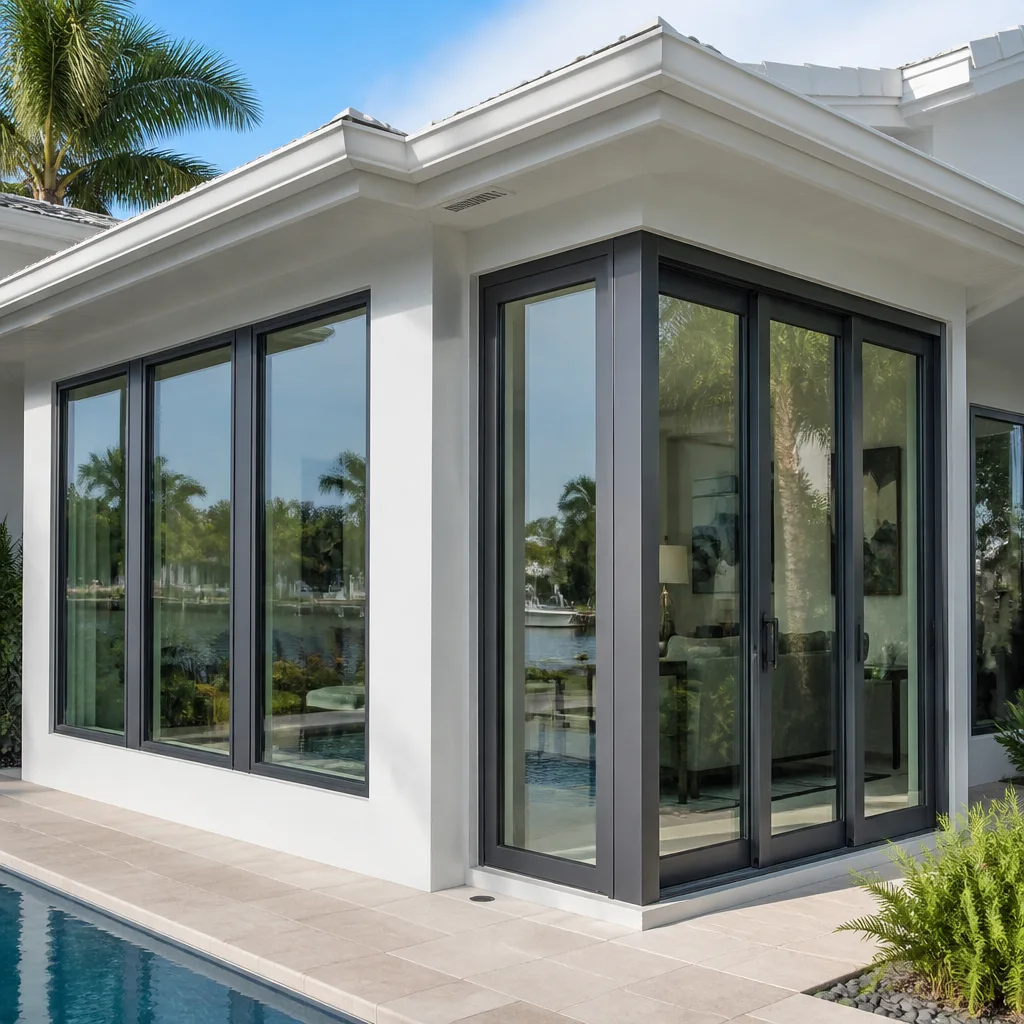
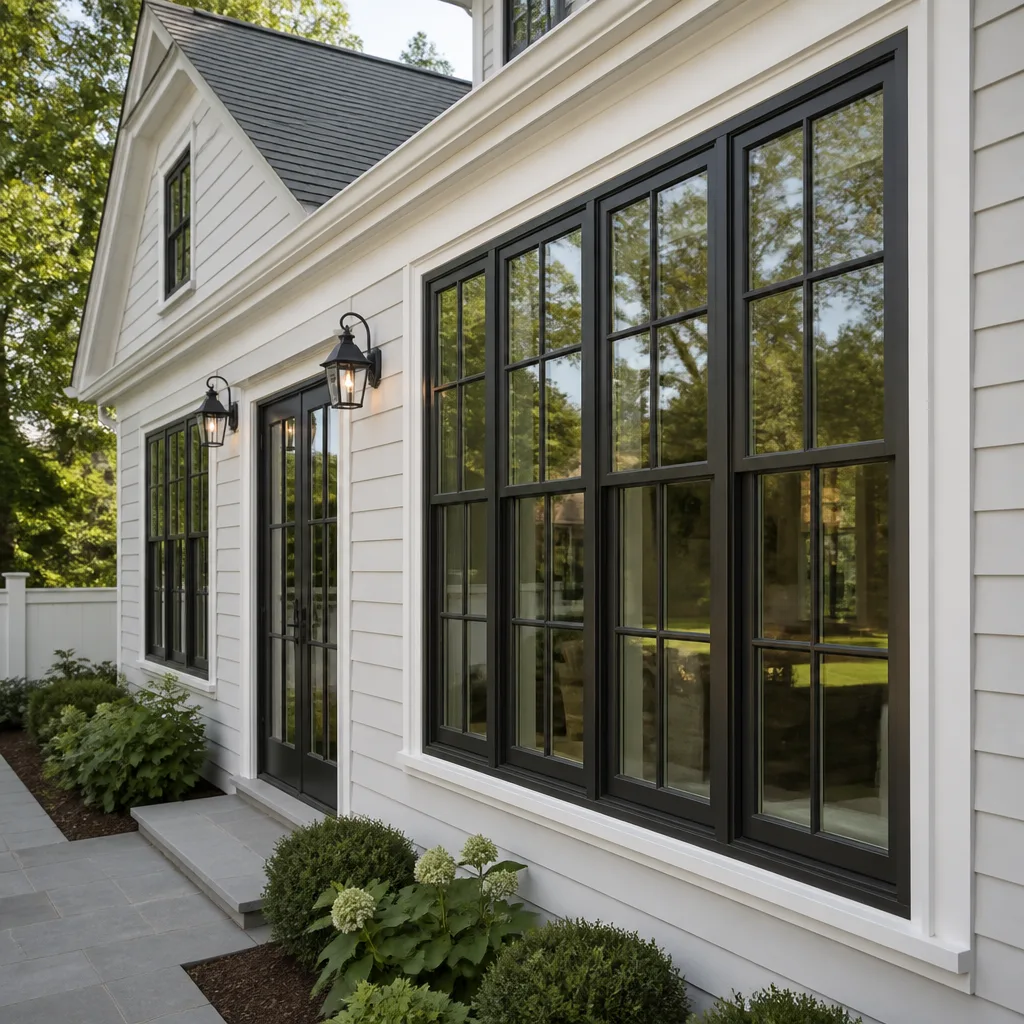
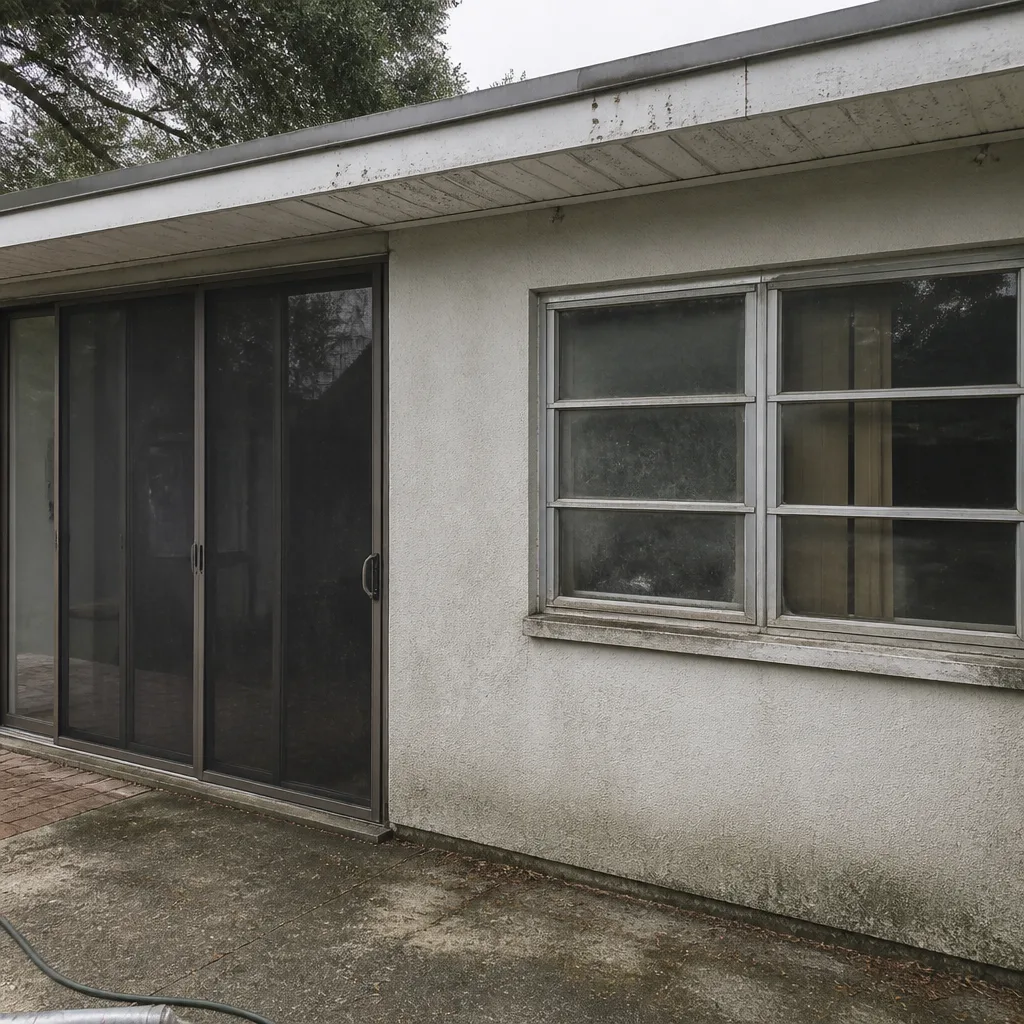 Before
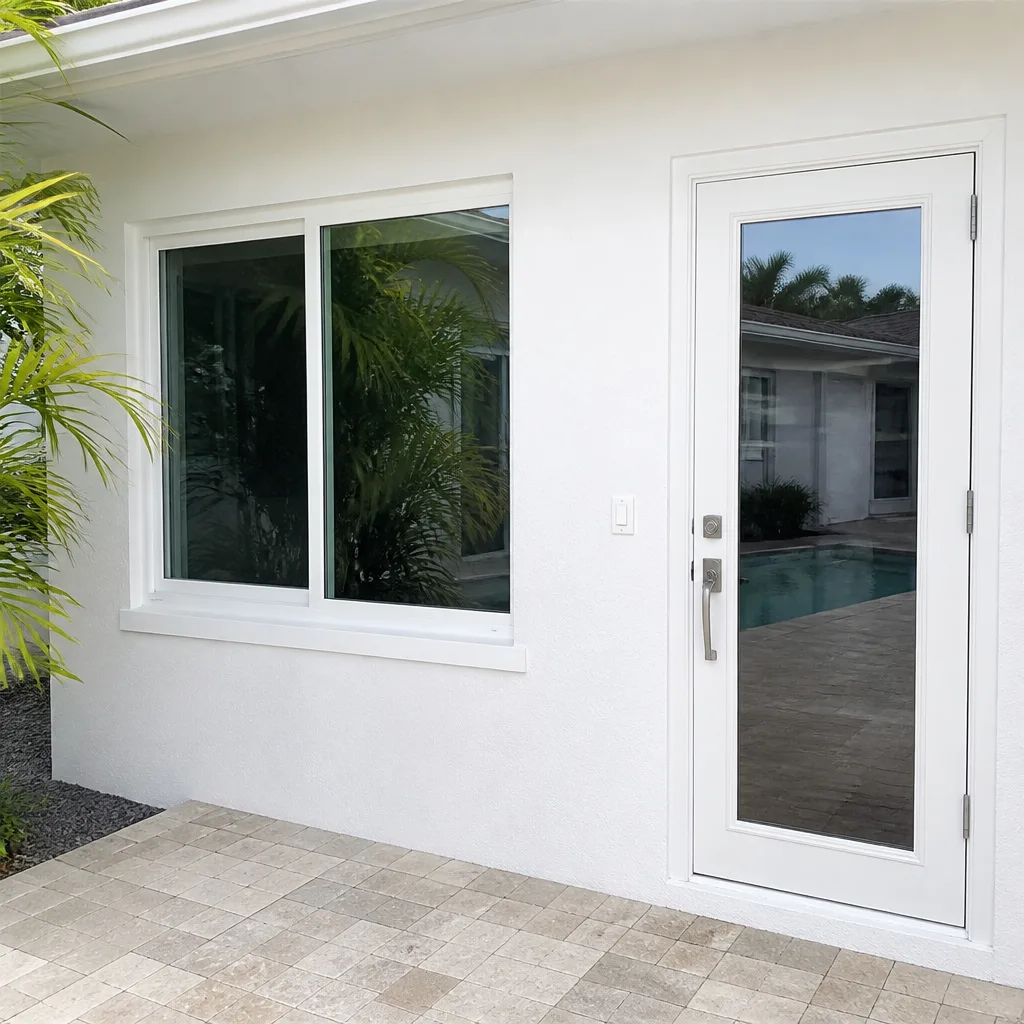 After
After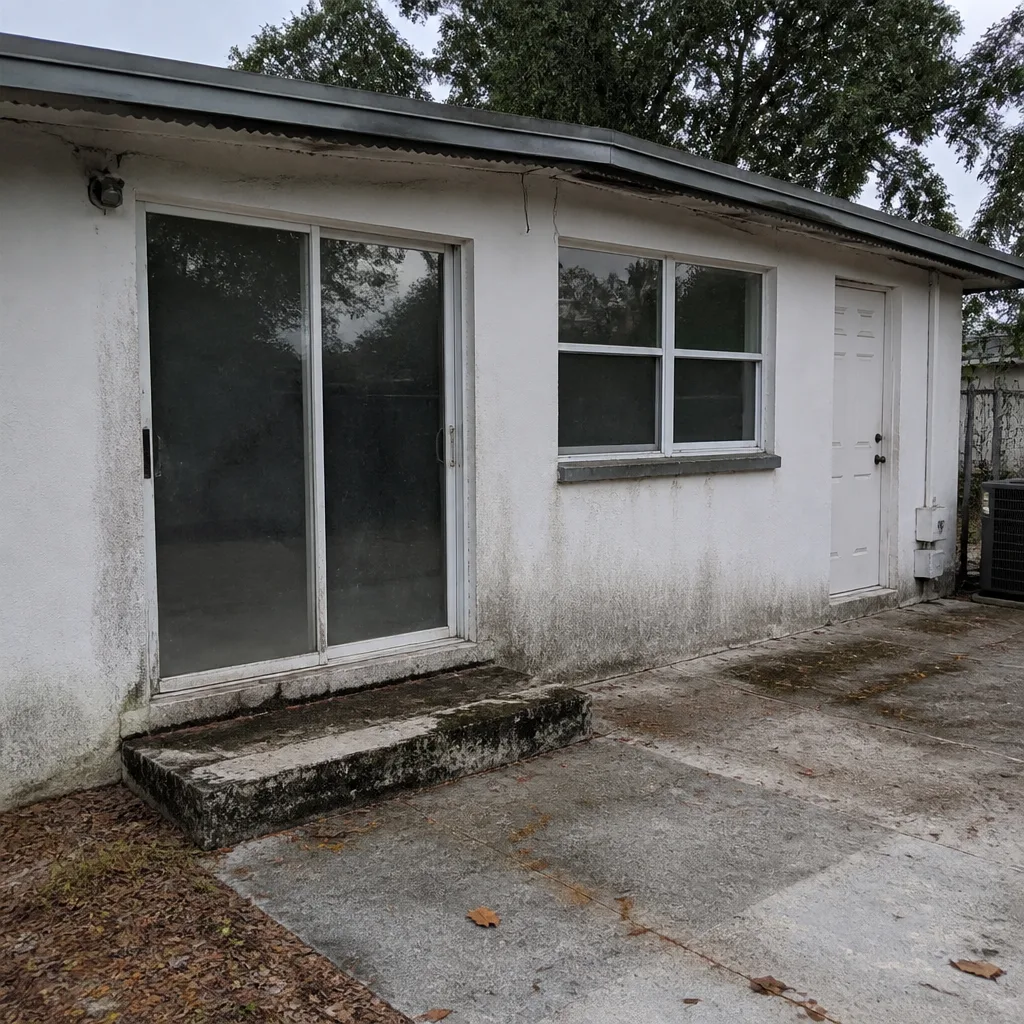 Before
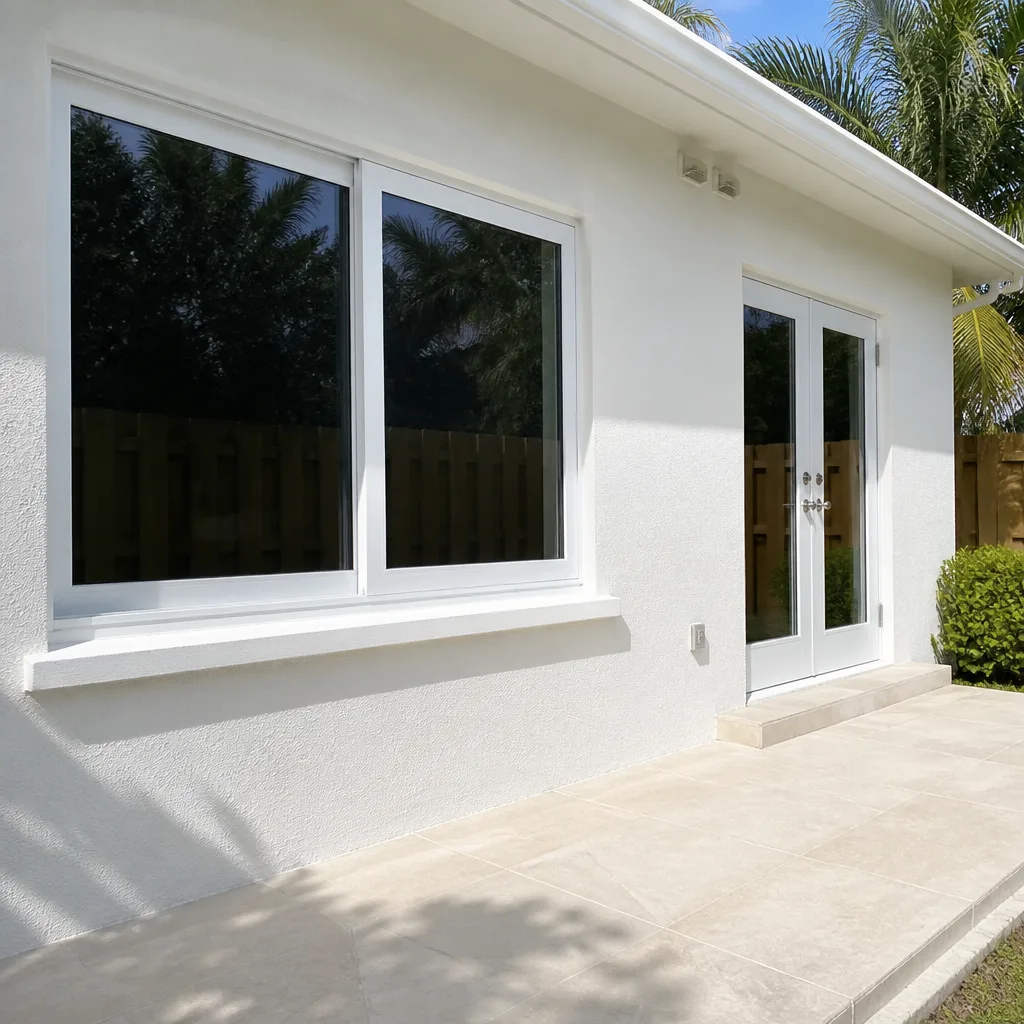 After
After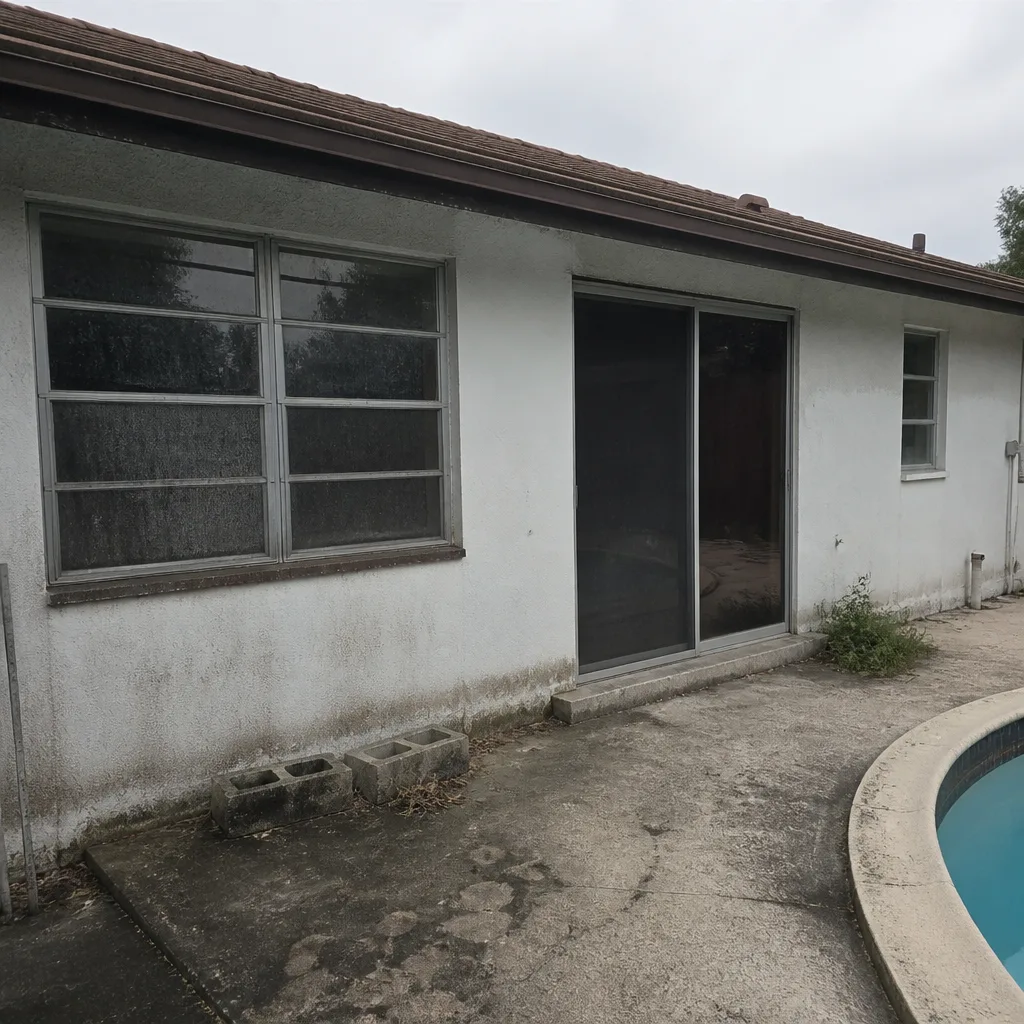 Before
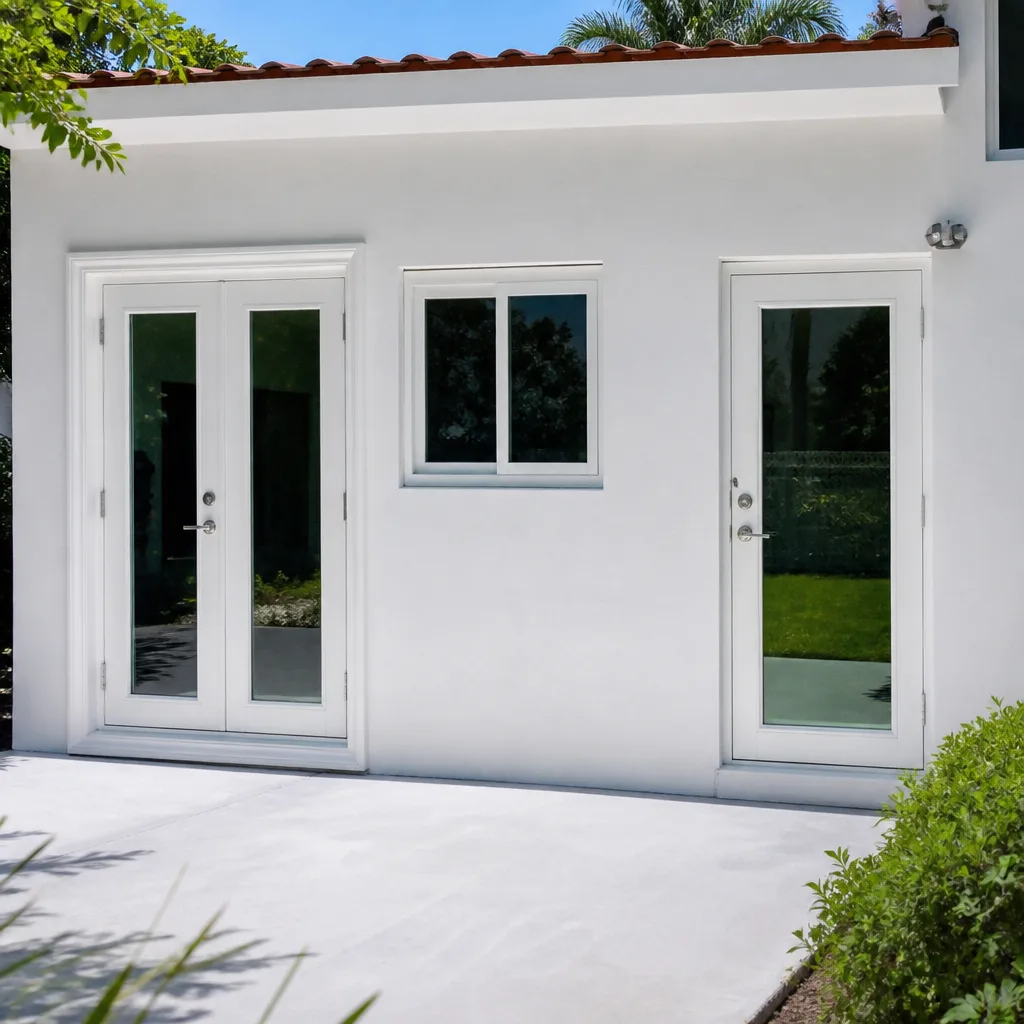 After
AfterDIY vs Professional Windows & Doors: The Hollywood Homeowner’s Decision Guide
Most Hollywood homeowners assume the DIY-versus-professional decision comes down to skill with a caulk gun and a willingness to watch YouTube tutorials. It doesn’t. In Broward County, the real dividing line is permit eligibility under Florida law, and signing an owner-builder permit application triggers legal declarations that can void your insurance coverage, block your home sale, or leave you personally liable for code violations. Since 2012, we’ve completed over 18,000 window and door installations across Hollywood and South Florida under the Haven Standard. What we’ve documented on those jobs - failed rough openings, improper wind-load transfer, carriers denying claims for unpermitted openings - is what this guide covers, alongside our more guides & resources for Hollywood homeowners. You’ll learn exactly when Florida law allows you to pull your own permit, what DIY actually costs when every line item is counted, and where the line sits between legitimate homeowner work and work that requires a licensed contractor.
Quick Answer
Homeowners in Hollywood, FL can legally install their own windows and doors only if they qualify for an owner-builder exemption under Florida Statute 489.103(7), which requires the property to be your permanent residence, not listed for sale or lease, and not subject to a construction loan with a licensed contractor clause. For most homeowners, professional installation is required because impact-rated window and door work must meet Florida Building Code wind-load transfer standards, pass rough opening inspection, and receive a final certificate of completion - without which your homeowner’s insurance can deny wind and water damage claims tied to that opening, as detailed in our How to Hire a Windows & Doors Contractor in Hollywood: A Step-by-Step Guide.
Table of Contents
- Florida’s Owner-Builder Permit Rules: What Hollywood Homeowners Actually Sign
- What Professional Window and Door Installation Actually Requires
- The Insurance Exposure Nobody Explains Until It’s Too Late
- The True Cost of DIY: Itemized for a Typical Hollywood Home
- What Homeowners Can Legally Do Themselves (and Where the Line Stops)
- How DIY Affects Your Manufacturer Warranty
- Common Mistakes to Avoid
- When to Call a Professional
- Frequently Asked Questions
 Before
 After
AfterFlorida’s Owner-Builder Permit Rules: What Hollywood Homeowners Actually Sign
Florida Statute 489.103(7) creates an exemption from contractor licensing for homeowners who want to act as their own general contractor. The statute sounds simple. The application you sign at the Broward County Permitting, Licensing and Consumer Protection Division is not.
The owner-builder affidavit contains three disqualifying conditions that are easy to miss:
- The property must be your permanent residence. Not a second home. Not a rental you manage. The affidavit asks you to declare under penalty of perjury that this is your primary dwelling.
- You cannot build for sale or lease within twelve months. Broward County has flagged owner-builder window projects where the property was listed for sale within that window. The county interprets this as a potential violation of your sworn declaration, which can result in permit revocation, stop-work orders, and referral to the State Attorney’s Office for perjury investigation.
- You cannot proceed if your construction loan or mortgage requires a licensed contractor. Most FHA, VA, and conventional construction loans contain this clause. If you’re unsure, your lender can confirm in writing - and you should request that confirmation before applying for the permit.
Hollywood sits in Broward County’s High-Velocity Hurricane Zone (HVHZ), which triggers additional inspection requirements. Even with a valid owner-builder permit, your window and door work must pass:
- Rough opening inspection (dimensional tolerance to FBC R613.3)
- Buck and frame attachment inspection (wind-load transfer to FBC R613.5)
- Flashing and weather-resistive barrier inspection (FBC R703.1.1)
- Final inspection with air and water infiltration verification for impact-rated products
In our experience at Sightline Windows & Doors Hollywood home, roughly one in four owner-builder permits we encounter has a compliance issue that delays final inspection. The most common: improper buck attachment that fails to transfer wind loads from the frame to the structural wall. This isn’t visible from the street. The inspector finds it with a torque wrench and a copy of the approved shop drawings.
One more detail Hollywood homeowners rarely consider: if your home is in a municipality with its own building department (Hollywood, Fort Lauderdale, Pompano Beach, and others), you file with that department, not Broward County directly. Hollywood’s Building Division maintains its own inspector roster and has specific submittal requirements for impact product approval documentation. The wrong form, or a Miami-Dade NOA instead of a Florida Product Approval, and your permit sits in review for weeks.
What Professional Window and Door Installation Actually Requires

We can explain what we do because we document every step. Haven Clause 5 - Evidence on every job - means the customer receives a photo record of their installation, and we keep the technical documentation for the warranty period. Here’s what that record shows for a typical impact window replacement in Hollywood.
Step 1: Measured Survey and Written Scope
Before any product is ordered, we complete a measured survey of every opening. This is not a tape measure across the frame. We record:
- Rough opening width, height, and squareness (diagonal measurements within 1/8 inch)
- Wall thickness and construction type (concrete block, wood frame, steel stud)
- Existing buck condition and attachment method
- Sightline measurements - the visible glass dimension the homeowner actually sees - which determines whether the new unit meets egress requirements and aesthetic expectations
- Structural load path from frame to foundation
The customer keeps this survey. The written quote references it by page and measurement number. Haven Clause 1 - Have it in writing - means the price cannot differ from that document without a change order signed by both parties.
Step 2: Product Specification by Performance, Not Inventory
We specify from eight manufacturer lines - PGT, CGI, CWS, ES Windows, ECO Window Systems, Mr-Glass, Therma-Tru, and ViewLux - based on what the opening requires, not what we have in stock. For a Hollywood home east of Federal Highway, that typically means:
- Impact-rated laminated glass with Miami-Dade NOA or Florida Product Approval
- Aluminum or vinyl frame with design pressure rating matched to the HVHZ wind speed map (180 mph ultimate in most of Hollywood, 200 mph in some coastal zones)
- U-factor and SHGC values that meet or exceed the Florida Energy Code baseline for replacement windows
ECO Window Systems and Mr-Glass both offer product lines we’ve specified for Hollywood’s mid-century ranch homes where original aluminum single-pane units need replacement without structural modification. Therma-Tru and ViewLux handle the door side - fiberglass and steel entry systems with impact-rated sidelights and transoms.
Step 3: Rough Opening Verification and Preparation
The existing opening rarely matches the new unit exactly. Our crews verify:
- Plumb and level of the rough opening sides (within 1/4 inch per 4 feet)
- Sill condition - rot, termite damage, or concrete spalling must be repaired before installation
- Buck attachment to structural framing - we torque-test existing fasteners and replace any that don’t meet the manufacturer’s specified pull-out resistance
In Hollywood’s older neighborhoods - Hollywood Lakes, Emerald Hills, the original 1920s sections - we regularly find wood bucks attached with nails that have corroded from decades of salt-air exposure. The buck looks solid until you test it. Then it pulls free with hand pressure. Installing a new impact window on that buck is a code violation and a future failure point.
Step 4: Installation, Flashing, and Sealant Sequence
The installation follows a written sequence, photographed at each stage:
- Apply sill pan flashing with end dams, integrated with the weather-resistive barrier
- Set the unit on setting blocks, shimmed for level and plumb
- Fasten through the frame into the buck at the spacing and torque specified in the NOA - never through the weep holes, never into unsecured material
- Apply head flashing with a minimum 4-inch overlap onto the WRB
- Install backer rod and sealant at the interior and exterior perimeters, with tooling that ensures full contact without voids
The Florida Building Code specifies sealant type, backer rod diameter, and joint dimension ratios. Generic silicone from a hardware store rarely meets the ASTM C920 requirement for exterior structural glazing.
Step 5: Inspection, Final Documentation, and Warranty Activation
We schedule inspection only when the photo record confirms every step is complete. The inspector verifies what we’ve documented. The final certificate of completion activates the manufacturer’s warranty and documents code compliance for your property record.
This is what window installation in Hollywood actually involves. Not removing a unit and sliding in a replacement. Structural verification, product specification to code, installation to manufacturer standards, and documentation that protects your insurance coverage and property value.
The Insurance Exposure Nobody Explains Until It’s Too Late
Here’s the scenario we see after every major storm: a homeowner files a wind or water damage claim. The adjuster requests the permit history for the property. The window or door that failed was owner-installed without a permit, or with a permit that never received final inspection.
The carrier denies the claim. Not reduces it. Denies it, citing the unpermitted opening as the proximate cause of the damage.
Florida insurance law does not require carriers to cover damage traceable to work that violates the Florida Building Code. An unpermitted window installation is, by definition, a code violation. Even with a permit, if the work never passed final inspection, the carrier can argue the installation was incomplete and non-compliant.
The specific language varies by policy, but most Florida homeowner’s policies contain a version of this exclusion: “We do not cover loss caused by faulty, inadequate, or defective materials or workmanship.” The carrier’s position: an uninspected, unpermitted installation is defective by legal definition, regardless of whether it looks correct.
In Hollywood, where flood zones overlap wind zones and storm surge can push water through failed openings, this exposure is acute without proper Seasonal Windows & Doors Care for Hollywood: Year-Round Homeowner’s Guide. A single failed sliding door can allow thousands of gallons of water intrusion. The mold remediation alone runs to five figures. If the carrier denies the claim because the door was owner-installed without proper inspection, that cost sits with the homeowner.
We’ve reviewed insurance denials where the homeowner’s defense was “I followed the manufacturer’s instructions.” The instructions are not the code. The code requires permitting, inspection, and final approval. The manufacturer warranty, similarly, typically requires installation by a licensed contractor or completion of a certified installer program. DIY installation voids the warranty on most impact-rated products from the lines we carry.
One more layer: if your home has a mortgage, your lender requires continuous insurance coverage. A coverage gap from a denied claim can trigger force-placed insurance at triple the premium, or in extreme cases, acceleration of the loan. The owner-builder permit you signed to save money on installation can cascade into a six-figure problem.
The True Cost of DIY: Itemized for a Typical Hollywood Home
We don’t guess at costs. Haven Clause 1 means we write the price before we start. For this comparison, we’ve itemized what DIY actually costs for a single-story 3-bedroom, 2-bathroom Hollywood home with 12 window openings and 2 door openings, all requiring impact-rated replacement.
DIY Cost Breakdown
| Item | Cost Range | Notes |
|---|---|---|
| Impact-rated windows (12 units, mid-range vinyl) | $8,400 – $12,000 | PGT Winguard or equivalent; price varies by size and egress requirements |
| Impact-rated sliding door (1 unit) | $2,800 – $4,200 | 72″ x 80″ typical; Miami-Dade NOA required |
| Impact-rated entry door with sidelight (1 unit) | $1,600 – $2,800 | Steel or fiberglass; Therma-Tru or ViewLux comparable |
| Permit fees (Hollywood Building Division) | $450 – $750 | Based on project valuation; owner-builder filing |
| Dumpster rental / disposal | $350 – $550 | Impact glass requires special handling; cannot go in standard residential pickup |
| Tool rental or purchase | $400 – $900 | Concrete drill, torque wrench, laser level, nail gun, compressor |
| Flashing, sealant, fasteners, shims | $600 – $1,000 | ASTM C920 sealant, compatible backer rod, structural screws to NOA spec |
| Contingency (10%) | $1,460 – $2,220 | Realistic for first-time DIY; we see 15-20% on actual projects |
| DIY Total | $16,060 – $24,420 | Before labor, before re-work, before inspection failure costs |
Professional Installed Price (Comparable Scope)
At window replacement in Hollywood, our installed price for this same scope - 12 impact windows, 1 sliding door, 1 entry door with sidelight, measured survey, permit, inspection, photo documentation, and 365-Day Done Right Promise - typically ranges from $18,500 to $26,000 depending on product tier and opening conditions.
The difference is $2,440 to $1,580. For that margin, the professional scope includes:
- Measured survey you keep, with written price before work starts
- Permit application and scheduling of all inspections
- Product warranty activation (voided on most lines for DIY)
- Labor warranty through the 365-Day Done Right Promise
- Documented photo record of every stage
- Background-checked, uniformed crew with license number provided before arrival
- Disposal and site protection included
- No re-work cost if inspection fails - we correct at our expense
The DIY price also assumes no mistakes. In our experience, first-time window installers in Hollywood make predictable errors: improper sill pan installation (60% of failed inspections we review), over-torqued frame fasteners that deform the extrusion, sealant applied over wet surfaces that fails adhesion testing. Each failure requires removal, re-purchase of materials, and re-inspection. We’ve documented DIY projects where the final cost exceeded our professional quote by 40%.
One hidden cost: time. A professional crew completes this scope in 3-4 days. A homeowner working weekends typically needs 6-8 weeks from permit application to final inspection. During that window, the openings are vulnerable to weather, and the homeowner’s insurance may not cover water intrusion through incomplete work.
What Homeowners Can Legally Do Themselves (and Where the Line Stops)
There is legitimate homeowner work that doesn’t trigger permit or insurance exposure. The line is clear once you understand what the Florida Building Code regulates.
Work That Does Not Require a Permit
- Interior trim installation. Casing, stool, apron, and extension jambs that don’t alter the rough opening or affect the unit’s structural attachment. We leave trim off on some jobs specifically so the homeowner can match existing millwork.
- Window blind and shade installation. Mounting hardware into the frame or surrounding wall, provided you don’t penetrate the weather-seal plane.
- Hardware replacement. Locks, handles, operators, and hinges on existing units - the functional equivalent of changing a door knob.
- Weatherstripping replacement. Compression seals and bulb seals on operable sashes, using manufacturer-specified parts.
- Cleaning and lubrication. Track cleaning, roller adjustment, and hinge lubrication on sliding and hinged doors.
Where the Line Stops
The permit threshold is structural attachment, weather-resistive barrier modification, or product replacement in the HVHZ. Specifically:
- Removing or replacing the window or door unit itself triggers permit requirements
- Modifying the rough opening dimension triggers structural permit requirements
- Any work on the flashing, sill pan, or weather-resistive barrier triggers permit requirements
- Installing impact-rated products always requires permit and inspection, regardless of whether the old unit was impact-rated
We’ve had Hollywood homeowners ask about “just swapping the glass” in an existing impact window. If the insulated glass unit (IGU) is sealed and the frame is intact, some manufacturers allow sash replacement by a certified dealer. But if the laminated impact layer is compromised, or if the IGU seal has failed, the entire sash or unit typically requires replacement - which is permit work.
Similarly, installing a pet door in an existing impact slider voids the impact rating for that opening. The modified unit no longer matches the approved product configuration. We’ve documented this for insurance disputes where the homeowner didn’t realize the modification removed code compliance.
How DIY Affects Your Manufacturer Warranty
Every manufacturer we specify - PGT, CGI, CWS, ES Windows, ECO Window Systems, Mr-Glass, Therma-Tru, ViewLux - has warranty language that addresses installation. The specifics vary, but the pattern is consistent: warranty coverage requires installation by a licensed contractor or completion of the manufacturer’s certified installer training.
PGT’s residential warranty, for example, covers glass breakage and seal failure for 10 years - but excludes “damage caused by improper installation.” The determination of what constitutes “improper” rests with PGT’s warranty review, which requests permit documentation and installation photos. No permit, no coverage.
ECO Window Systems and Mr-Glass both require installation according to their published installation instructions, which reference Florida Building Code requirements. A homeowner without code knowledge cannot self-certify compliance.
Therma-Tru’s door warranty explicitly states: “This warranty does not apply to Products that have been improperly stored, handled, or installed.” The installation instructions specify shimming points, fastener types, and sealant requirements that match FBC R613. A homeowner who substitutes generic screws or skips the specified backer rod has voided the warranty, even if the door appears to function correctly.
The practical effect: a DIY-installed window with a failed IGU seal in year three is a $400-$800 replacement cost that would have been covered under warranty. Spread across 12 windows, the probability of at least one seal failure in ten years is significant. The warranty value alone often exceeds the labor savings from DIY.
We provide the documented photo record precisely so warranty claims are unambiguous. The photo shows the product label, the installation sequence, the inspection approval. Haven Clause 5 - Evidence on every job - protects the customer’s warranty rights, not just our workmanship.
Common Mistakes to Avoid
- Assuming the existing buck is sound. In Hollywood’s coastal neighborhoods, salt-air corrosion attacks fasteners hidden behind trim. We torque-test every buck; homeowners rarely do, and inspectors find the failure.
- Using non-structural fasteners in concrete block. Tapcon-style screws rated for 200 lbs pull-out are insufficient for HVHZ wind loads. The NOA specifies structural screws with embedment depth and torque values that require a calibrated wrench.
- Skipping the sill pan. The Florida Building Code requires pan flashing with end dams for all window and door installations. Caulk alone fails; we’ve documented water intrusion through un-panned openings after the first seasonal rain.
- Applying sealant to wet or dirty surfaces. ASTM C920 sealants require clean, dry substrates. Morning dew, construction dust, or residual oils from handling prevent adhesion. The sealant looks fine; it fails under wind-driven rain pressure.
- Ordering products without verified dimensions. “Standard size” windows vary by manufacturer. A 36″ x 60″ from PGT is not identical to a 36″ x 60″ from CGI. Rough opening tolerance is 1/4 inch total. The wrong unit requires field modification or re-order.
- Failing to schedule rough inspection before closing the wall. Hollywood Building Division requires rough inspection with the weather-resistive barrier exposed. Homeowners often install trim and interior finish, then discover the inspection cannot be completed without removal.
- Ignoring the HVHZ product approval requirement. Not all impact-rated products are approved for High-Velocity Hurricane Zone installation. Miami-Dade NOA or Florida Product Approval with HVHZ designation is required. A product approved for Orlando is not automatically approved for Hollywood.
When to Call a Professional
Call a professional when the work requires a permit, when the product is impact-rated, when the opening is in the HVHZ, or when your insurance coverage depends on documented code compliance - use our Window Installation Maintenance Checklist for Hollywood Homeowners to verify what’s needed. That covers nearly all window and door replacement in Hollywood.
Call when you need a written price before work starts, not an estimate that changes. Haven Clause 1 - Have it in writing - is how we operate on every job.
Call when you want the person at your door to be the person on the record. Haven Clause 3 - Verified Crews - means background-checked, uniformed technicians with license numbers provided before arrival.
Call when you want evidence, not assurance. Haven Clause 5 - Evidence on every job - means a documented photo record you receive, not a promise that work was done correctly.
Sightline Windows & Doors Hollywood offers free estimates in Hollywood. We review competitor quotes at no charge - bring us any written estimate and we’ll analyze the scope, specifications, and pricing against what the opening actually requires. Call (754) 714-7309 to schedule your measured survey.
Frequently Asked Questions
Professional impact window replacement in Hollywood typically ranges from $1,200 to $2,200 per opening installed, depending on size, product tier, and opening condition. A measured survey determines the exact price before work starts. Call (754) 714-7309 for a written quote - estimates are free.
You can if you qualify under Florida Statute 489.103(7): the property must be your permanent residence, not listed for sale or lease within 12 months, and not subject to a construction loan requiring a licensed contractor. Most Hollywood homeowners do not qualify on at least one condition, and the owner-builder affidavit carries perjury penalties for false declarations.
Your insurance may deny wind or water damage claims if the installation was unpermitted, uninspected, or failed to meet Florida Building Code. Most policies exclude “faulty, inadequate, or defective workmanship,” and carriers interpret unpermitted work as defective by legal definition. Documented professional installation with final inspection is the standard carriers expect.
Both certify impact resistance, but Miami-Dade Notice of Acceptance (NOA) is the stricter standard required in the High-Velocity Hurricane Zone, which includes Hollywood. Florida Product Approval may or may not include HVHZ designation. We verify HVHZ approval on every product we specify - it’s part of our measured survey documentation.
A typical 12-window, 2-door replacement in a single-story Hollywood home takes 3-4 days of installation, plus permit application and inspection scheduling. DIY projects of the same scope typically require 6-8 weeks of weekend work, with exposed openings vulnerable to weather between sessions.
Yes. Interior trim - casing, stool, apron, extension jambs - does not affect structural attachment or weather sealing and can be completed by the homeowner without permit exposure. We often leave trim off specifically so homeowners can match existing millwork or complete painting before installation.
The Bottom Line
The DIY-versus-professional question in Hollywood is settled by Florida law, not by skill or cost comparison alone. The owner-builder permit exemption is narrower than most homeowners realize, and the legal declarations it requires carry real consequences for insurance coverage, property sale, and personal liability. Professional installation, specified and documented under a written standard, provides the permit compliance, warranty activation, and evidence record that protects your investment. The price difference between DIY and professional work narrows dramatically when every cost is counted, and disappears entirely when a single inspection failure or warranty claim occurs. For impact-rated window and door work in the HVHZ, the standard of care is documented, inspected, and guaranteed - which is what the Haven Standard requires on every job we complete.
Written by Sonia Raman, Owner at Sightline Windows & Doors Hollywood, serving Hollywood since 2012.